
Simcenter FLOEFD enables engineers to address a wide range of thermo-fluid dynamics applications, helping improve performance, energy efficiency, and product reliability.
Thanks to the combination of advanced physical models and direct CAD integration, FLOEFD allows realistic virtual testing to be performed from the early stages of the design process, transforming simulation into a practical tool for engineering decision-making.
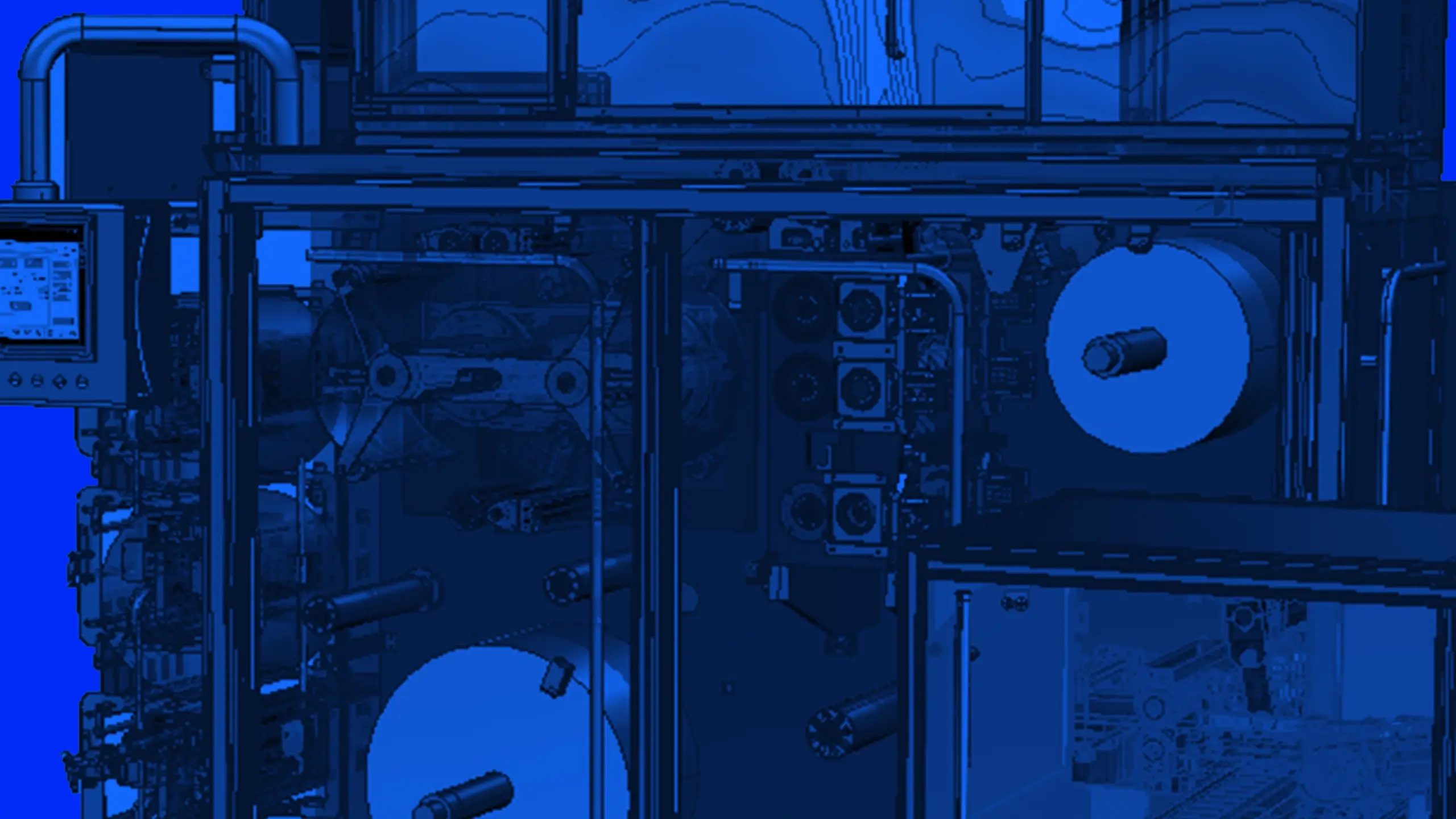
Simcenter FLOEFD applications
From the design of heat exchangers and HVAC systems to electronics and battery cooling, CFD simulation is now an essential tool for understanding product behavior before building physical prototypes.
Flow Analysis
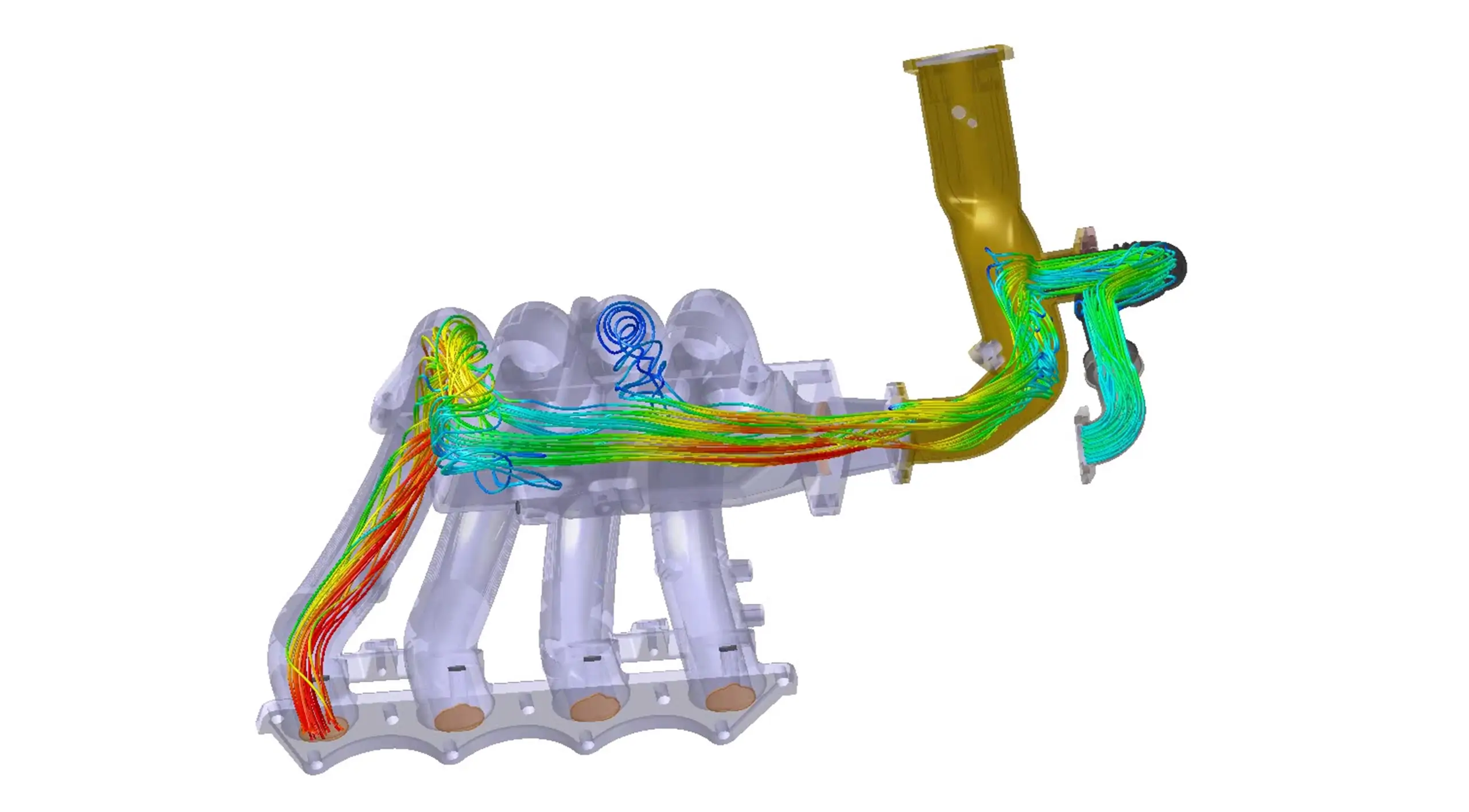
Simcenter FLOEFD enables detailed analysis of velocity and flow rate distribution within ducts, manifolds, cooling systems, and industrial components. Fluid path visualization allows engineers to quickly identify recirculation zones, stagnation areas, or non-uniform flow distributions that may affect product performance.
Thanks to CFD simulation, different design solutions can be compared and flow distribution can be optimized before building physical prototypes.
Pressure Distribution
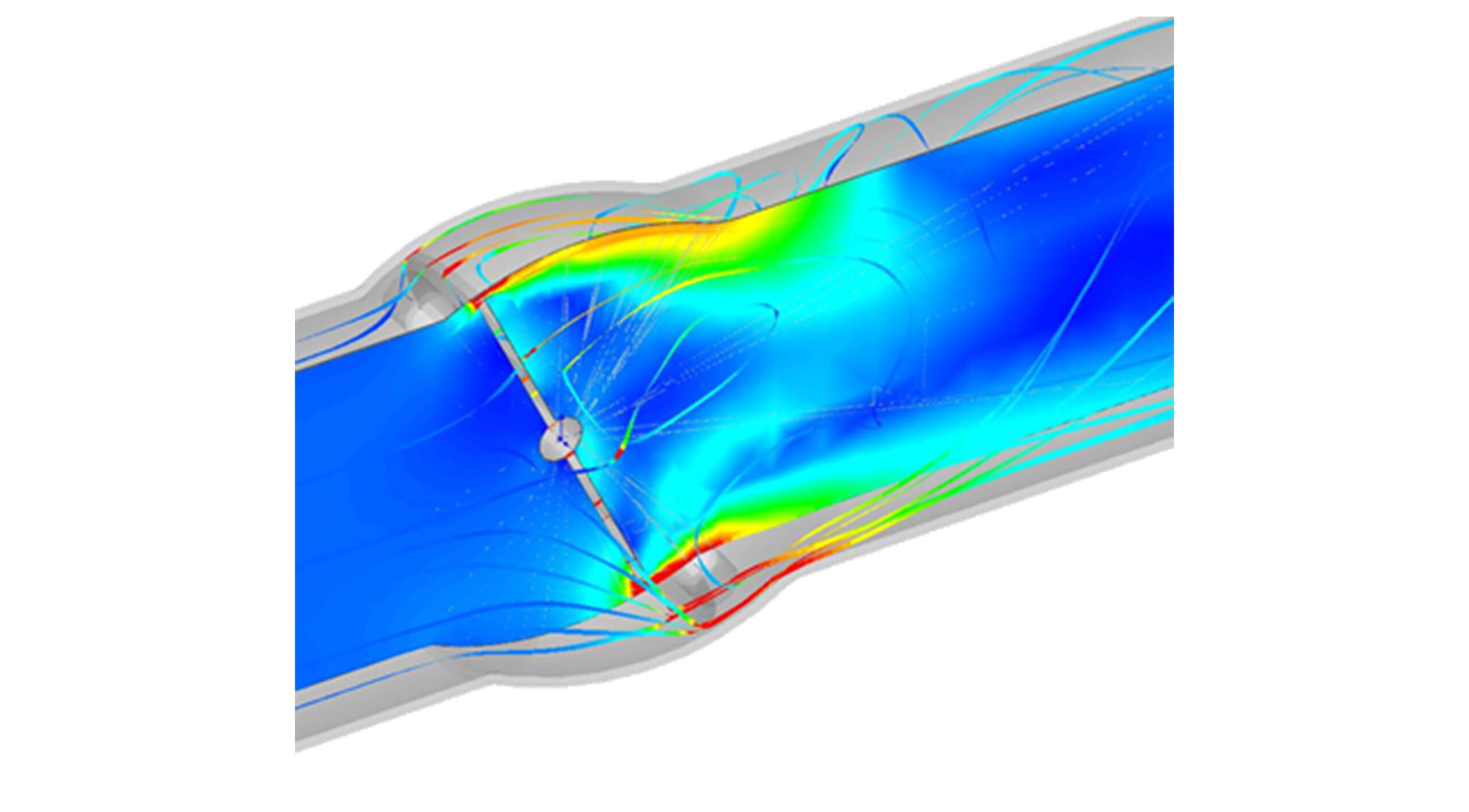
Many industrial components have performance characteristics that are directly influenced by pressure losses and pressure differences between inlet and outlet. With FLOEFD, engineers can determine pressure distribution throughout the system, calculate localized pressure losses, and evaluate parameters such as the Cv and Kv flow coefficients of valves.
These insights enable accurate prediction of product behavior under real operating conditions and allow timely design improvements to enhance overall efficiency.
Fluid Machinery Modeling
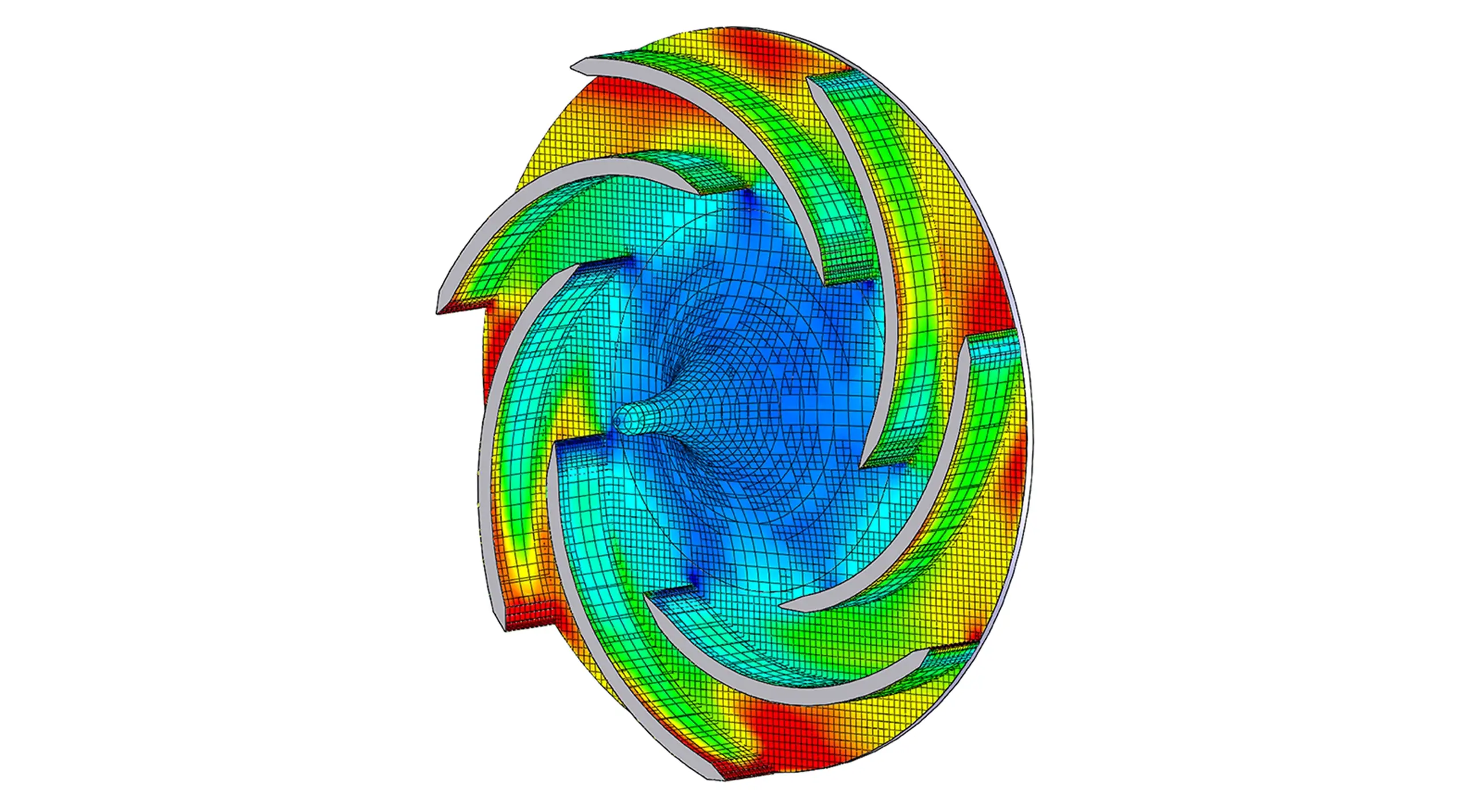
Pumps, fans, compressors, and turbines can be analyzed directly within the CAD environment using Simcenter FLOEFD. Engineers can simulate real operating conditions and evaluate the fluid dynamics behavior of the machine, identifying opportunities to improve performance and energy efficiency.
The ability to quickly modify geometries such as impellers and volutes makes FLOEFD a particularly effective tool for the optimization of fluid machinery.
Heat Transfer Between Solids and Fluids
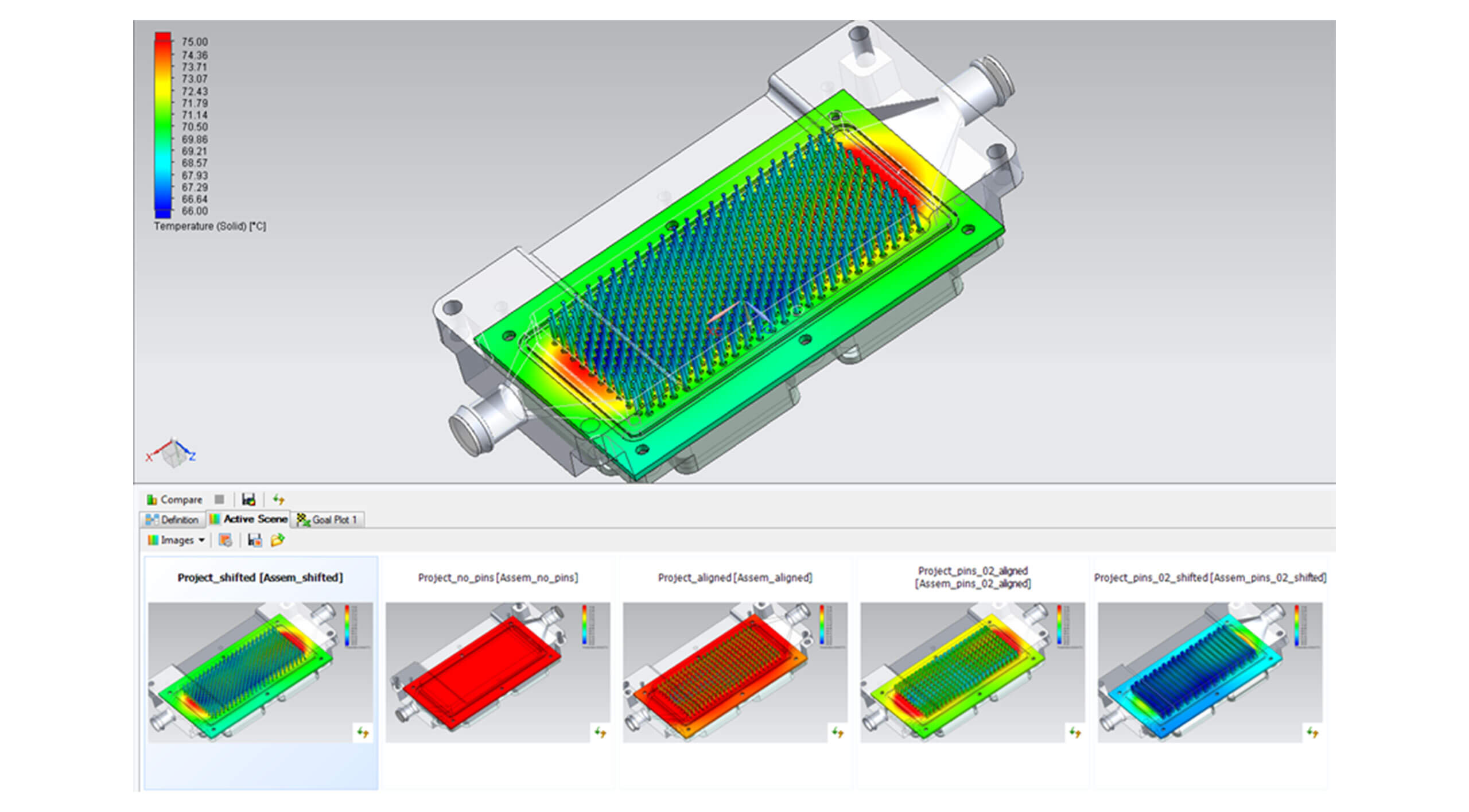
Heat transfer is one of the most critical aspects in the design of many industrial products. Simcenter FLOEFD enables the simulation of heat conduction in solids, convection in fluids, and the interaction between these phenomena, providing accurate predictions of temperature distribution.
This type of analysis is widely used in heat exchangers, radiators, heat sinks, HVAC systems, and many other devices where thermal management is essential for achieving optimal performance.
Condensation and evaporation
Many thermal systems rely on phase changes of fluids to enhance heat transfer efficiency. Simcenter FLOEFD enables the simulation of evaporation and condensation phenomena using real fluid models and dedicated libraries for major industrial refrigerants.
These capabilities allow engineers to accurately analyze the behavior of evaporators, condensers, heat pumps, and refrigeration systems.
Mixing
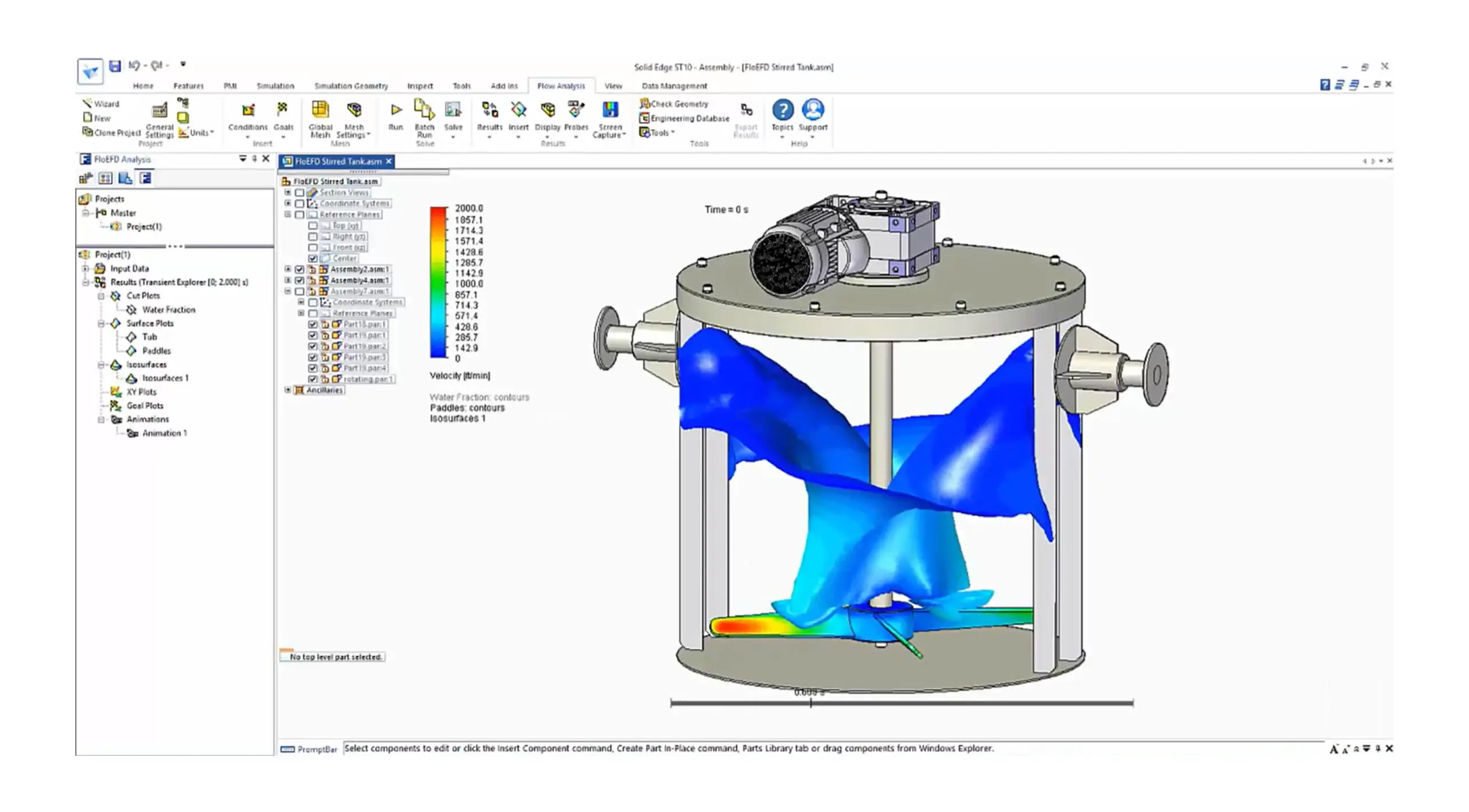
Mixing processes are essential across a wide range of industrial applications. Simcenter FLOEFD enables the simulation of fluids with different properties and the evaluation of mixing system performance in both continuous processes and dedicated mixing equipment.
CFD analysis helps identify dead zones and non-uniform mixing, allowing engineers to improve process quality and optimize product performance.
Prediction of Fluid Dynamic Loads
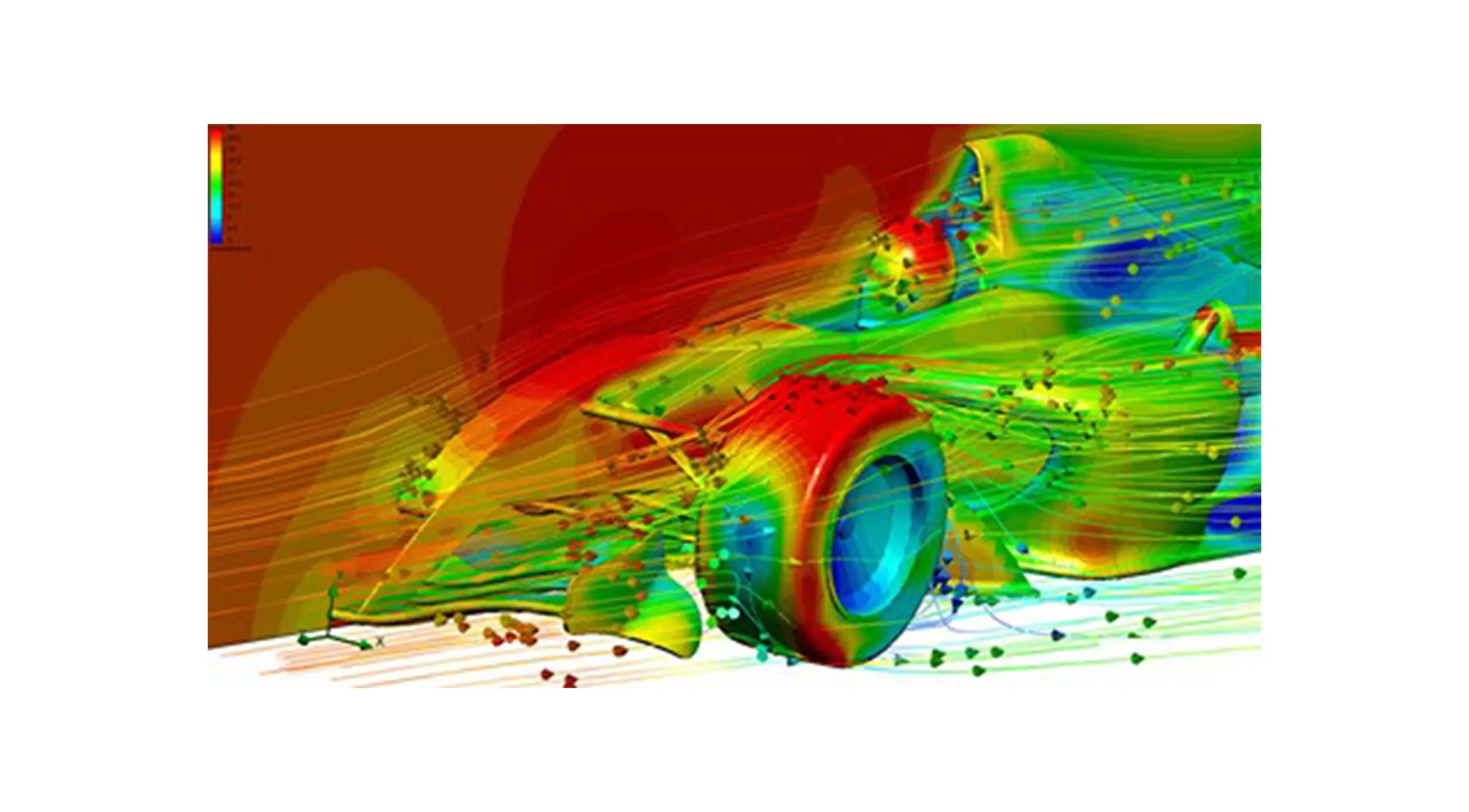
The interaction between fluids and structures generates forces and moments that can significantly influence product performance. Simcenter FLOEFD enables engineers to calculate aerodynamic and hydrodynamic loads, determine performance coefficients, and generate pressure maps for subsequent structural FEA analyses.
This integration facilitates multiphysics studies and improves the reliability of engineering validation throughout the design process.
Cavitation and Erosion
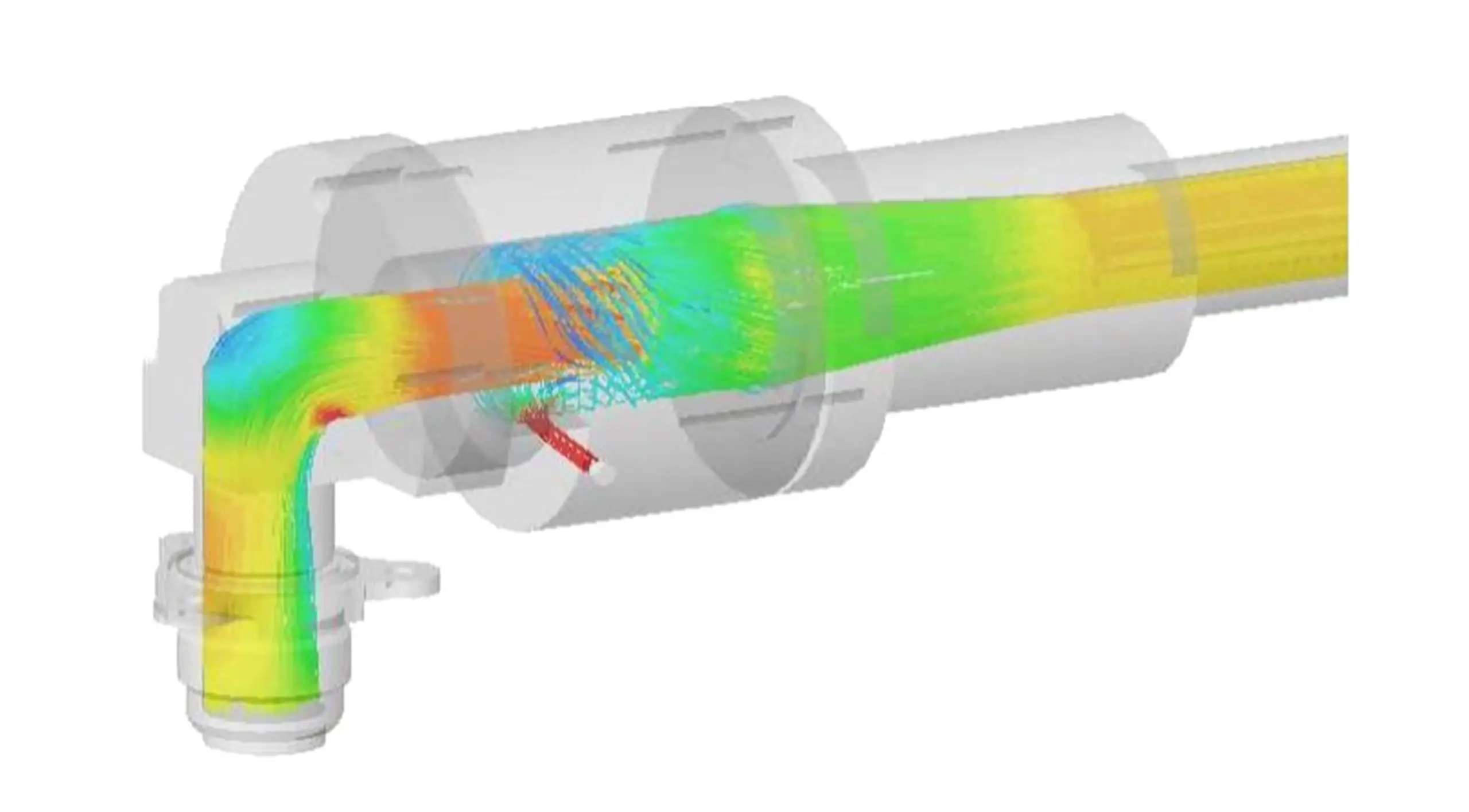
Cavitation is one of the most critical phenomena affecting pumps, valves, and hydraulic systems. Simcenter FLOEFD enables engineers to identify regions where local vaporization occurs and estimate the potential erosive effects associated with cavitation.
By simulating these phenomena early in the design process, engineers can optimize component geometry before physical manufacturing, improving both reliability and service life.
Filtration and Particle Separation
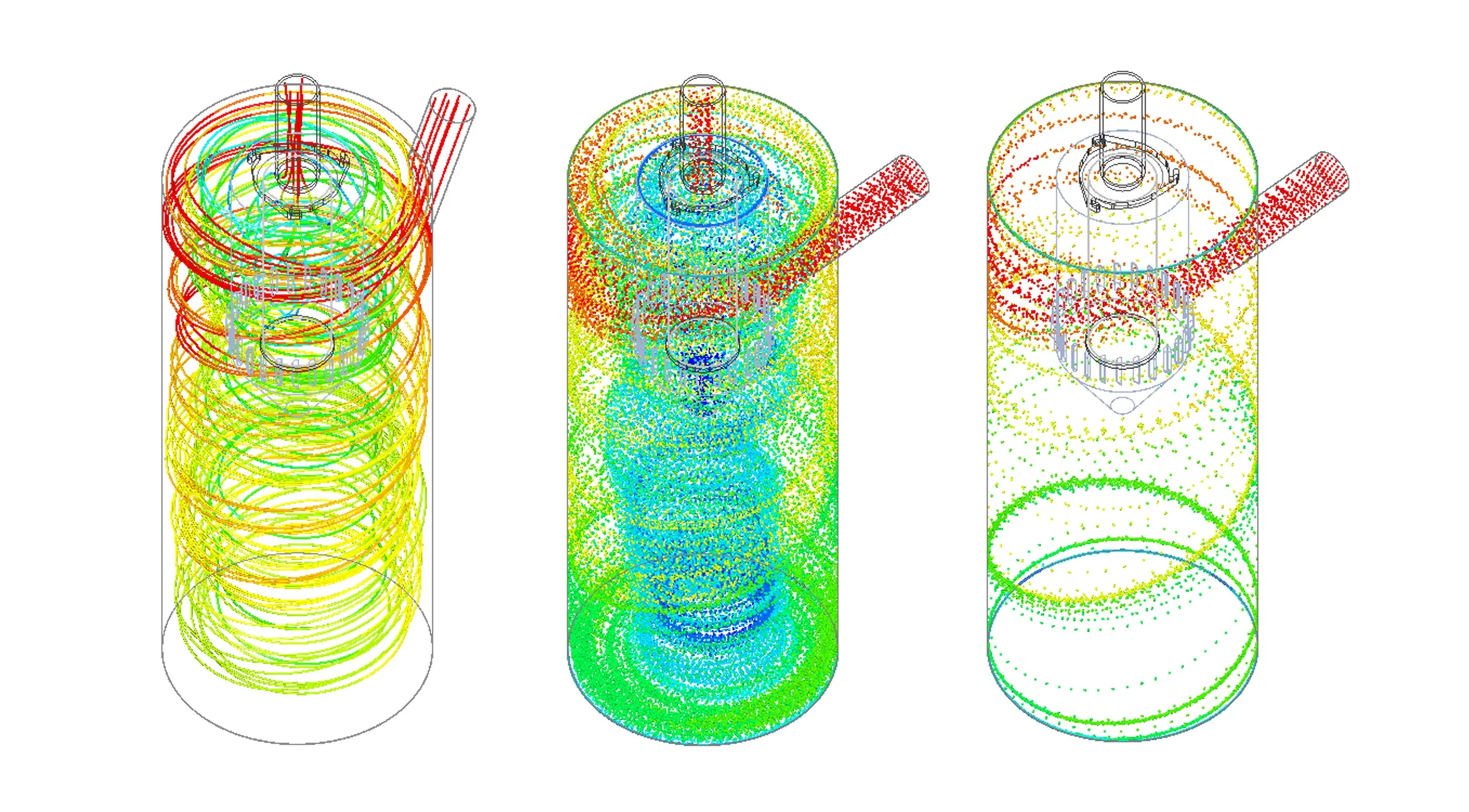
Simcenter FLOEFD can be used to analyze filtration systems and the separation of solid particles suspended in fluids. By simulating particle motion, engineers can predict the performance of filters, cyclones, and air or water treatment devices.
This approach enables design optimization and helps improve overall system performance.
HVAC and Climate Control
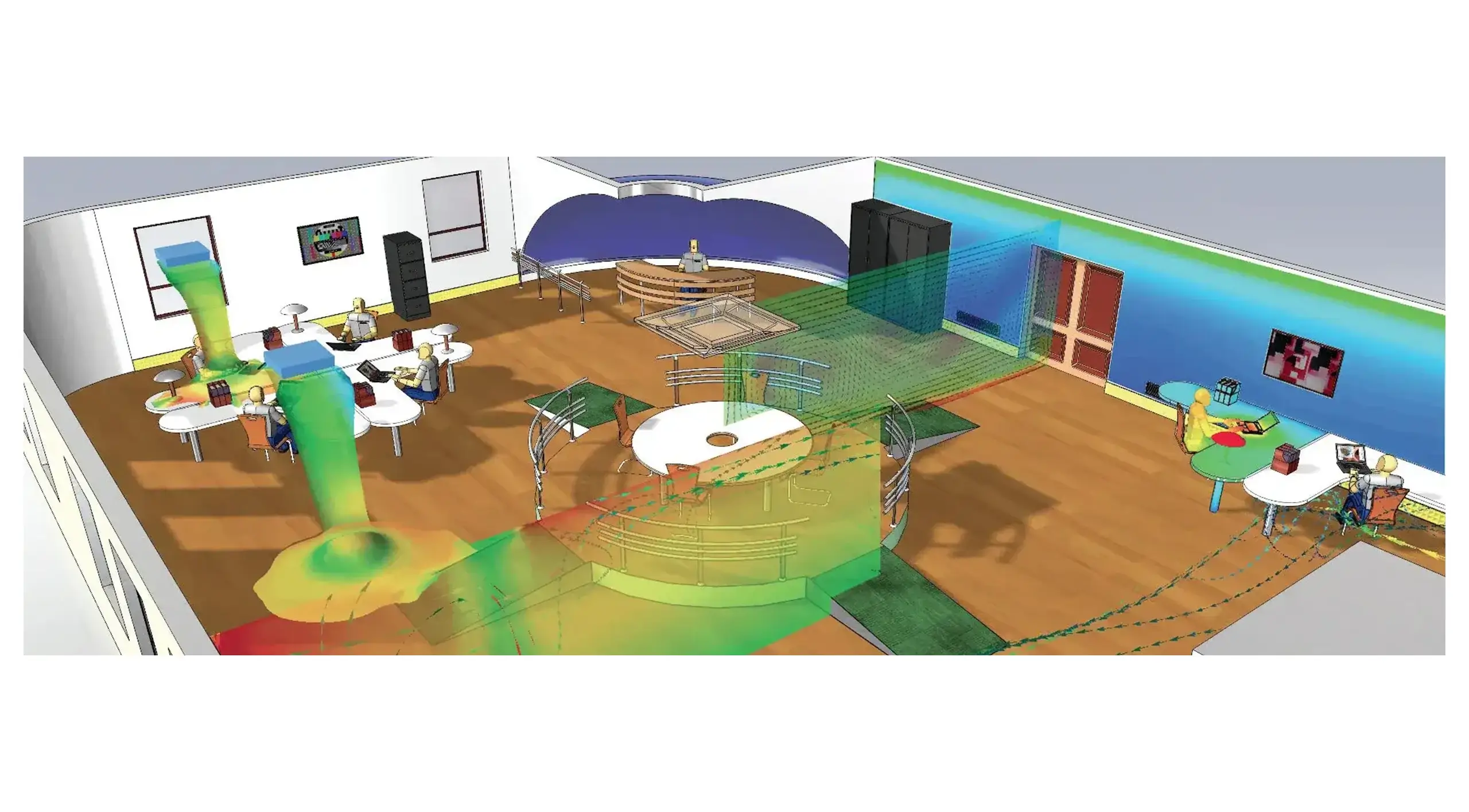
HVAC applications require the simultaneous management of temperature, airflow, humidity, and thermal comfort. Simcenter FLOEFD enables engineers to simulate HVAC system performance and evaluate air distribution within enclosed environments.
These simulations can be applied to buildings, automotive vehicles, railway systems, agricultural machinery, and many other applications where occupant comfort and energy efficiency are key design requirements.
Combustion
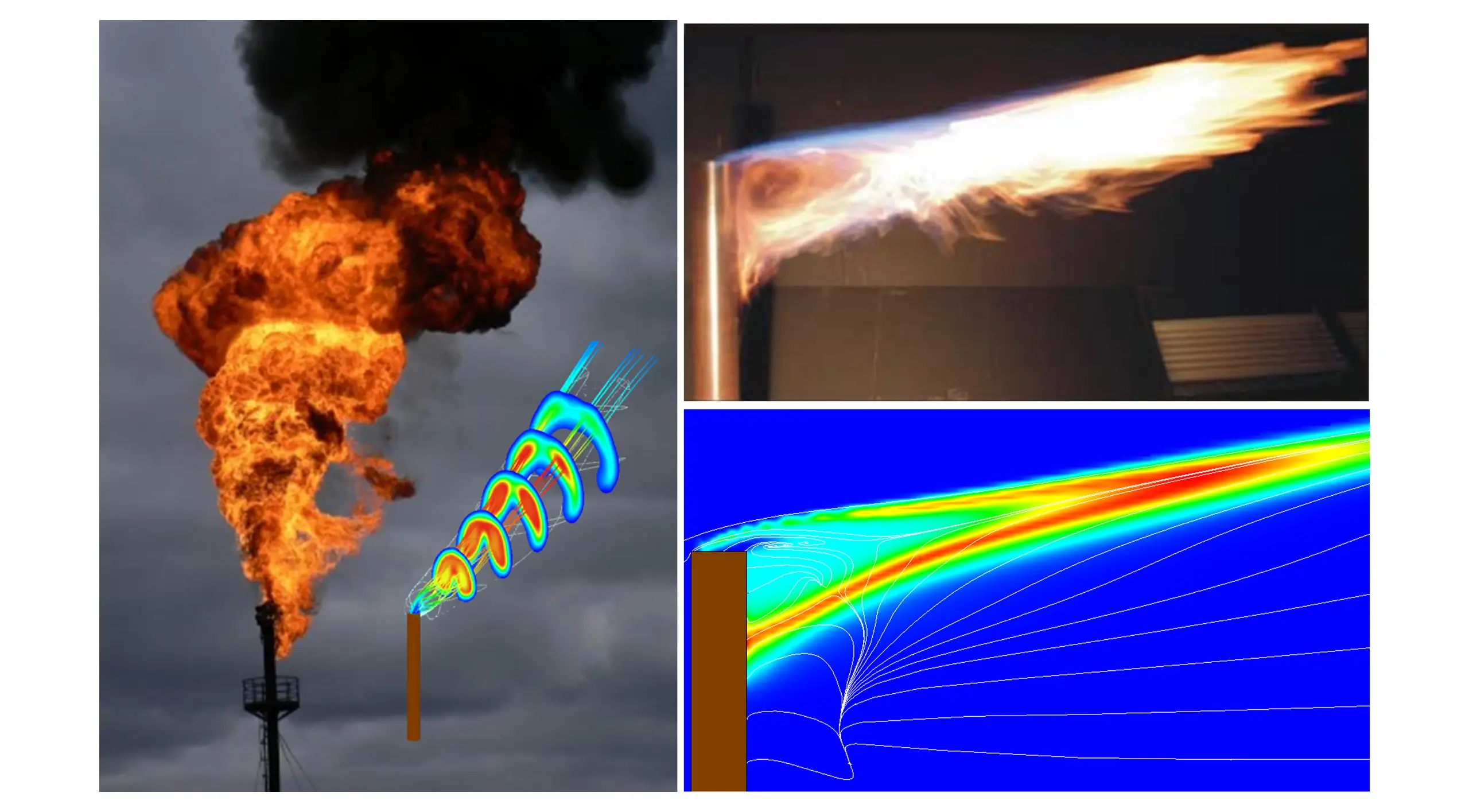
Simcenter FLOEFD includes combustion models for the simulation of a wide range of gaseous fuels. Engineers can analyze flame behavior, temperature distribution, and combustion product formation, gaining valuable insights to improve energy efficiency and reduce emissions.
Hypersonic Flows and Plasma
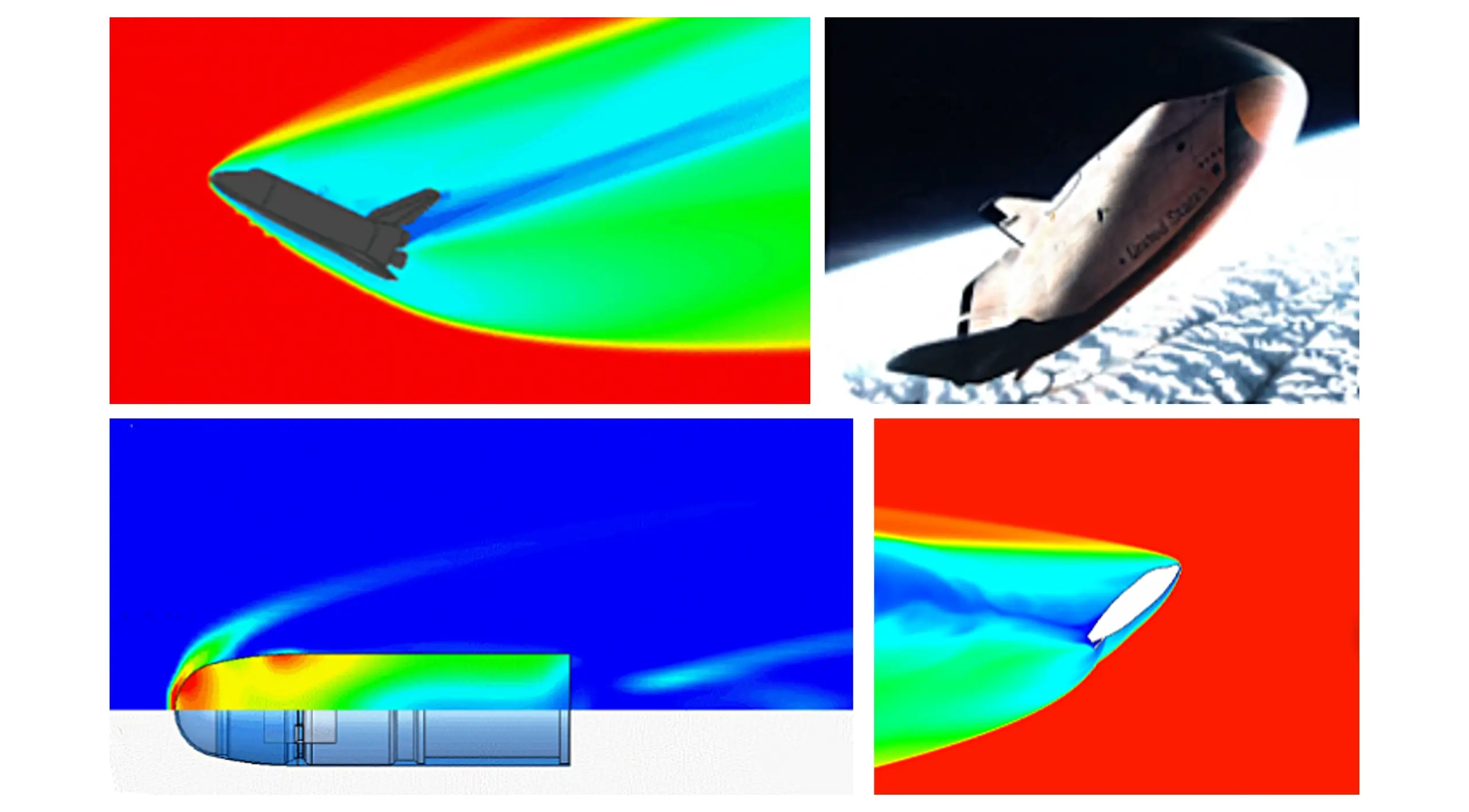
For advanced engineering applications, Simcenter FLOEFD enables the simulation of hypersonic flows and phenomena involving ionized gases and plasma. These capabilities are particularly valuable in the aerospace, energy, and high-temperature industrial sectors.
LED Device Simulation
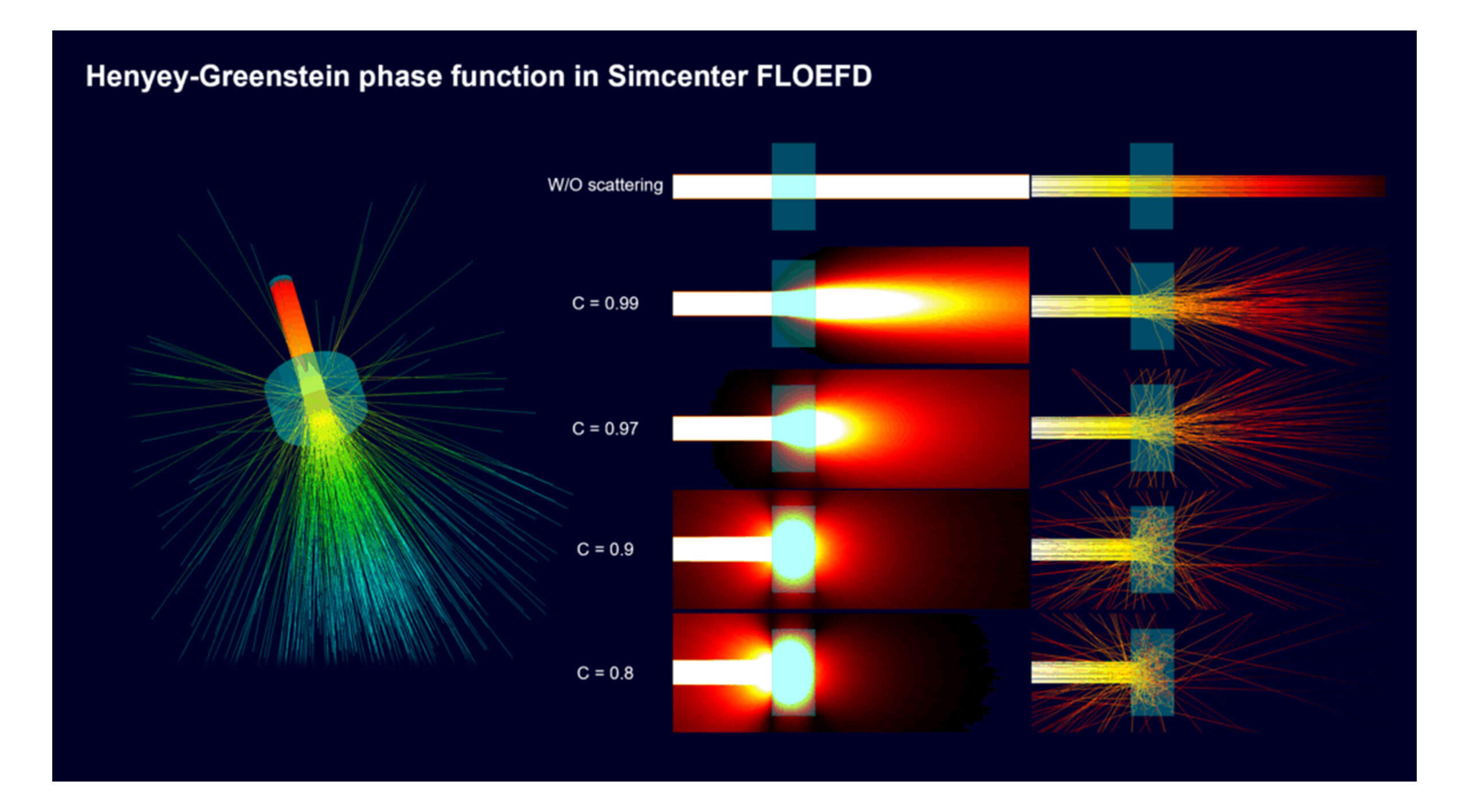
LED device simulation requires accurate prediction of junction temperature, a key parameter for ensuring luminous performance, efficiency, and long-term reliability.
With Simcenter FLOEFD, engineers can accurately model the thermo-fluid dynamics behavior of LED lighting systems, including heat dissipation, heat transfer with the surrounding environment, and radiative effects.
Thanks to dedicated LED models, designers can evaluate junction temperature and hot lumen output, optimizing heat sinks, optical components, and cooling systems from the earliest stages of product development.
Power Electronics and Joule Heating
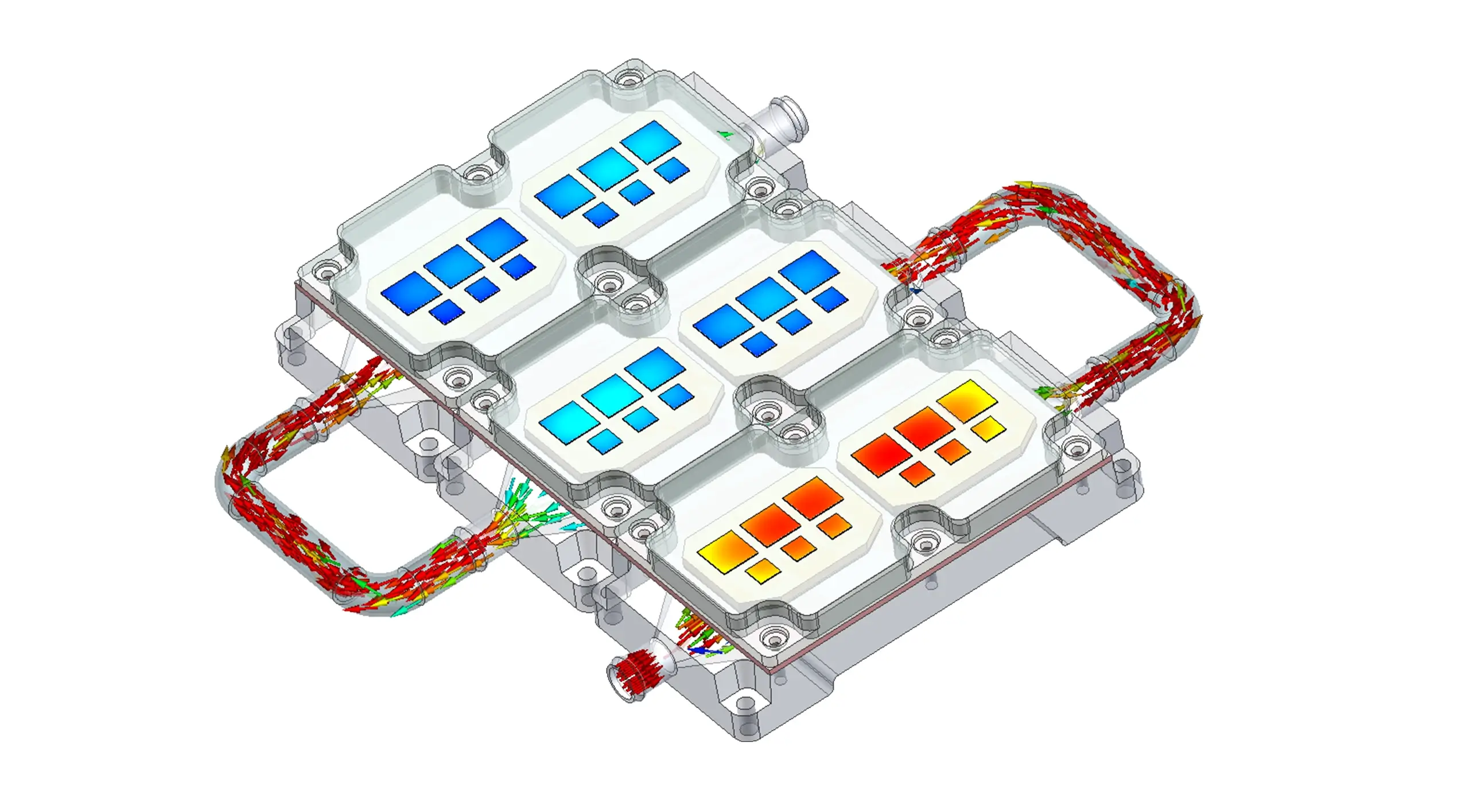
In power electronic devices, electrical losses are one of the primary sources of heat generation. Simcenter FLOEFD enables the simulation of Joule heating and incorporates these losses directly into the thermal analysis of the system.
This approach allows engineers to evaluate the thermal behavior of inverters, converters, busbars, IGBT modules, and other power electronic components, improving both design reliability and energy efficiency.
Electromagnetic Simulation of Electric Machines
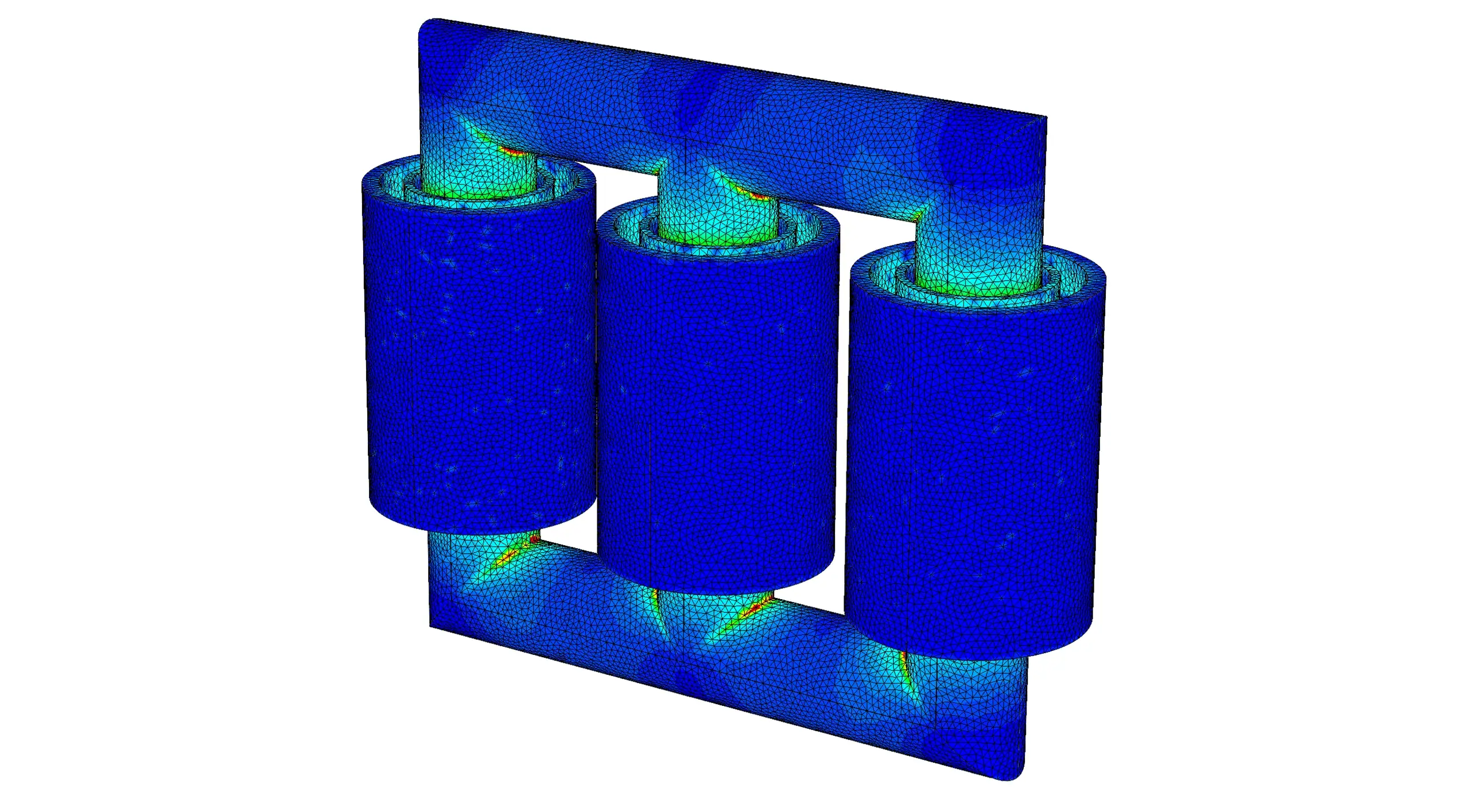
Simcenter FLOEFD includes an electromagnetic solver designed for applications such as power electronics, busbars, converters, electric machines, and devices operating with alternating currents or permanent magnets.
By integrating ohmic losses and core losses into the thermo-fluid dynamics simulation, it enables engineers to predict hotspots, evaluate efficiency, and improve product reliability. This integrated approach accelerates design decisions related to component layout, cooling strategies, and material selection.
Electronic Device Cooling with PCB Import
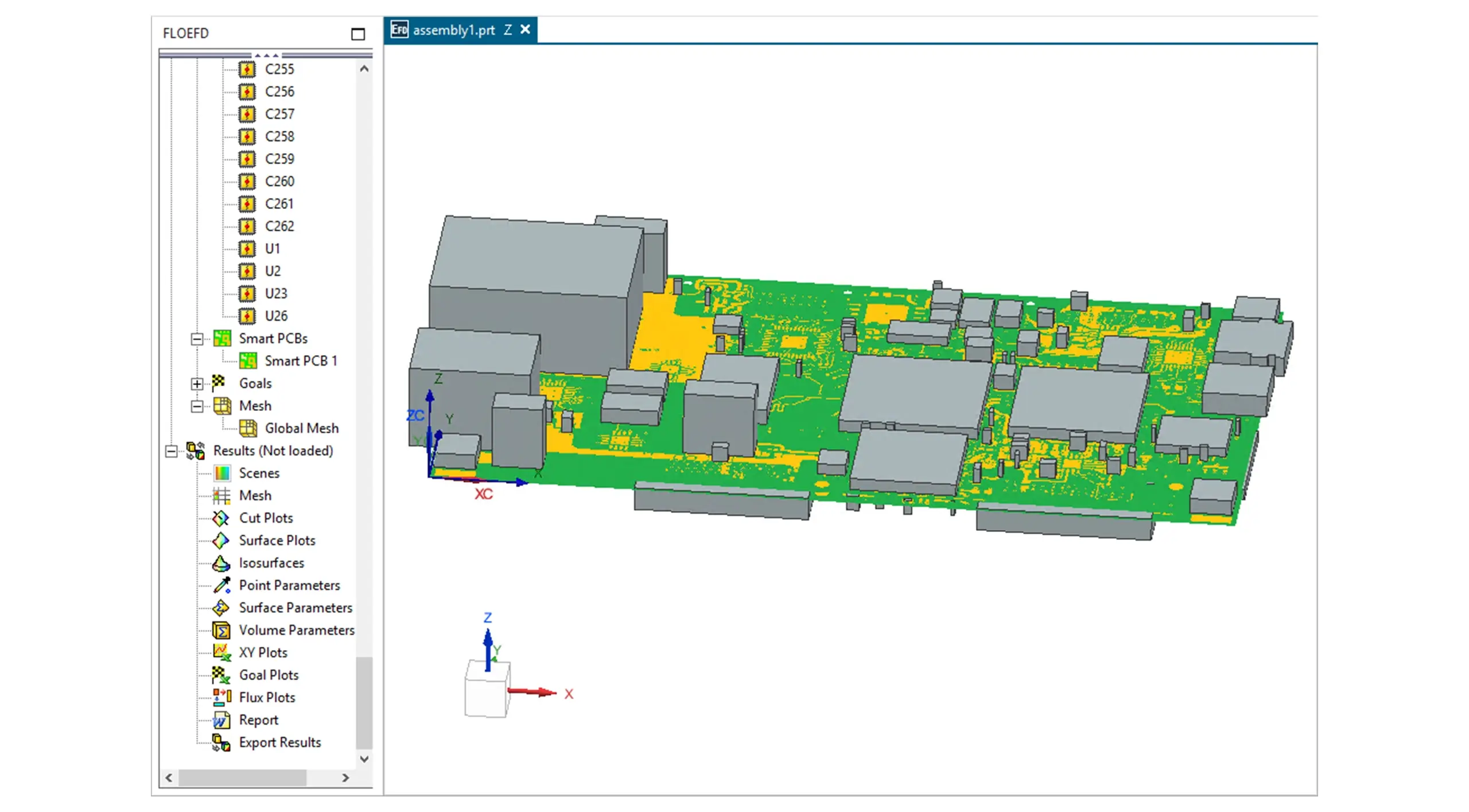
Thanks to its integration with EDA data, Simcenter FLOEFD enables the direct import of electronic boards and the automatic reconstruction of the 3D PCB model, including materials, components, and dissipated power values.
Engineers can simulate electronics cooling under real operating conditions, identify hotspots, evaluate different cooling strategies, and optimize both the PCB layout and enclosure design.
Dynamic and Thermoelastic Structural Analysis
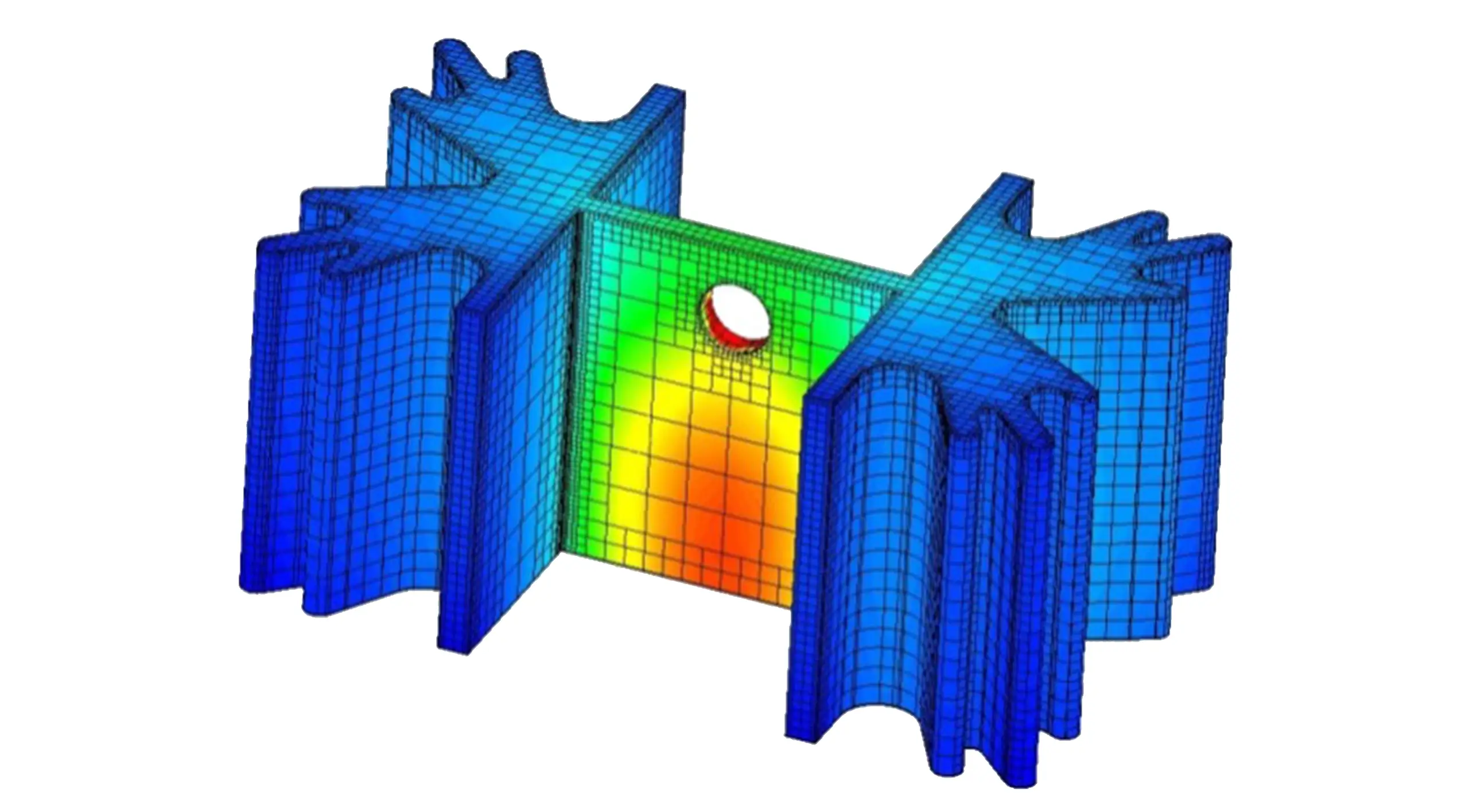
For companies designing mechanical components, fluid-cooled electronics, or assemblies subjected to thermal loads, the FLOEFD structural solver brings FEA validation into the early stages of CAD development.
Thanks to the integrated Nastran solver and the automatic hexa-dominant mesher, FLOEFD enables the evaluation of deformations, stresses, and natural frequencies together with CFD-derived pressure and temperature loads. This reduces the need for physical iterations and supports more robust design decisions before prototyping.
How to get Simcenter FLOEFD
Flexible purchasing solutions for every need.
