
Native CAD integration, automatic SmartCells mesh generation, and advanced physical models enable accurate results with significantly shorter preparation times compared to traditional approaches.
Thanks to this technological architecture, simulation becomes a tool that designers can use on a daily basis, allowing them to quickly analyze product behavior and evaluate performance throughout the entire development cycle.
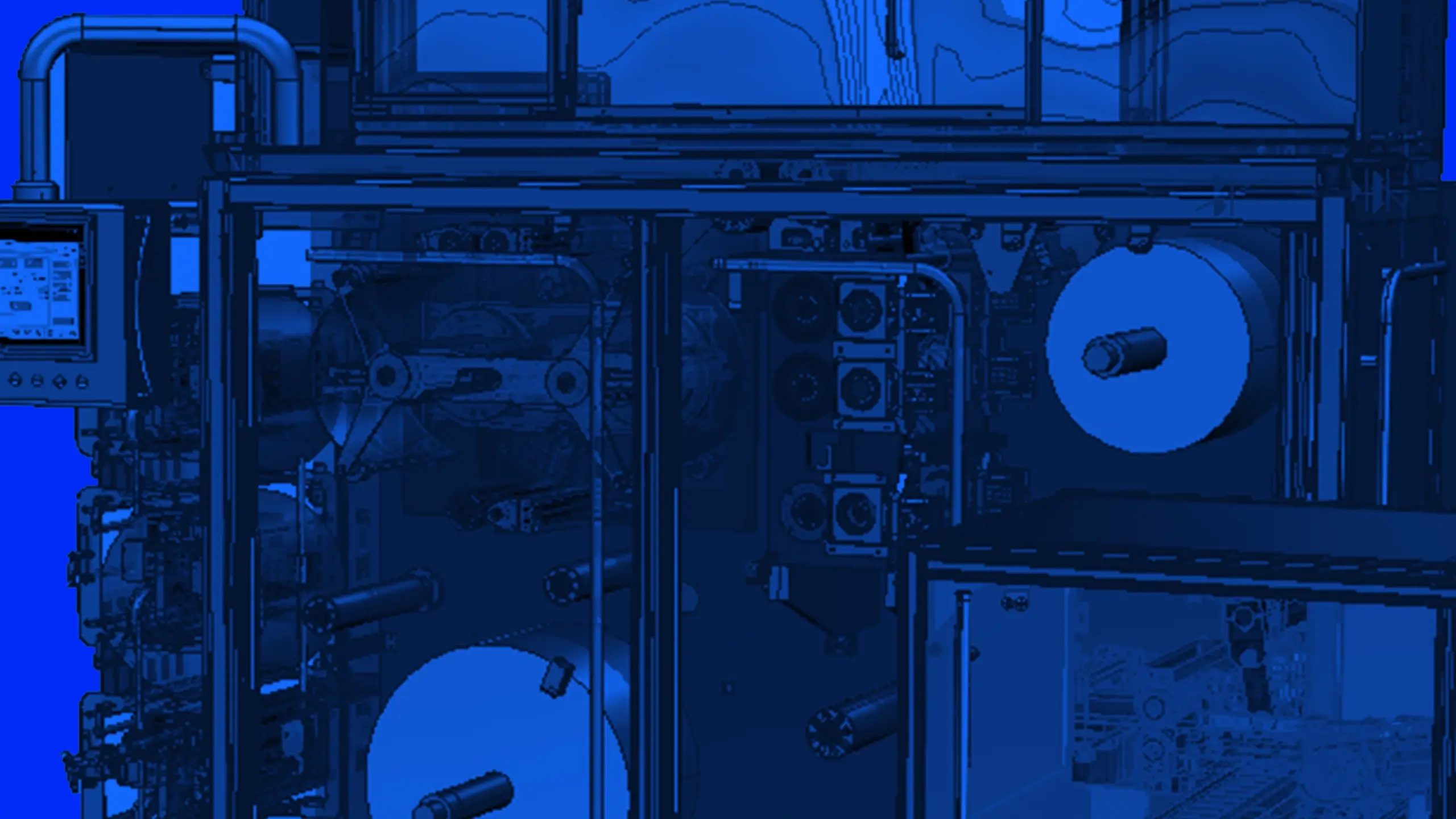
Simcenter FLOEFD Technology
The effectiveness of Simcenter FLOEFD comes from a combination of technologies developed to automate the CFD process and reduce the complexity typically associated with fluid dynamics simulations.
Native Integration within the CAD Environment
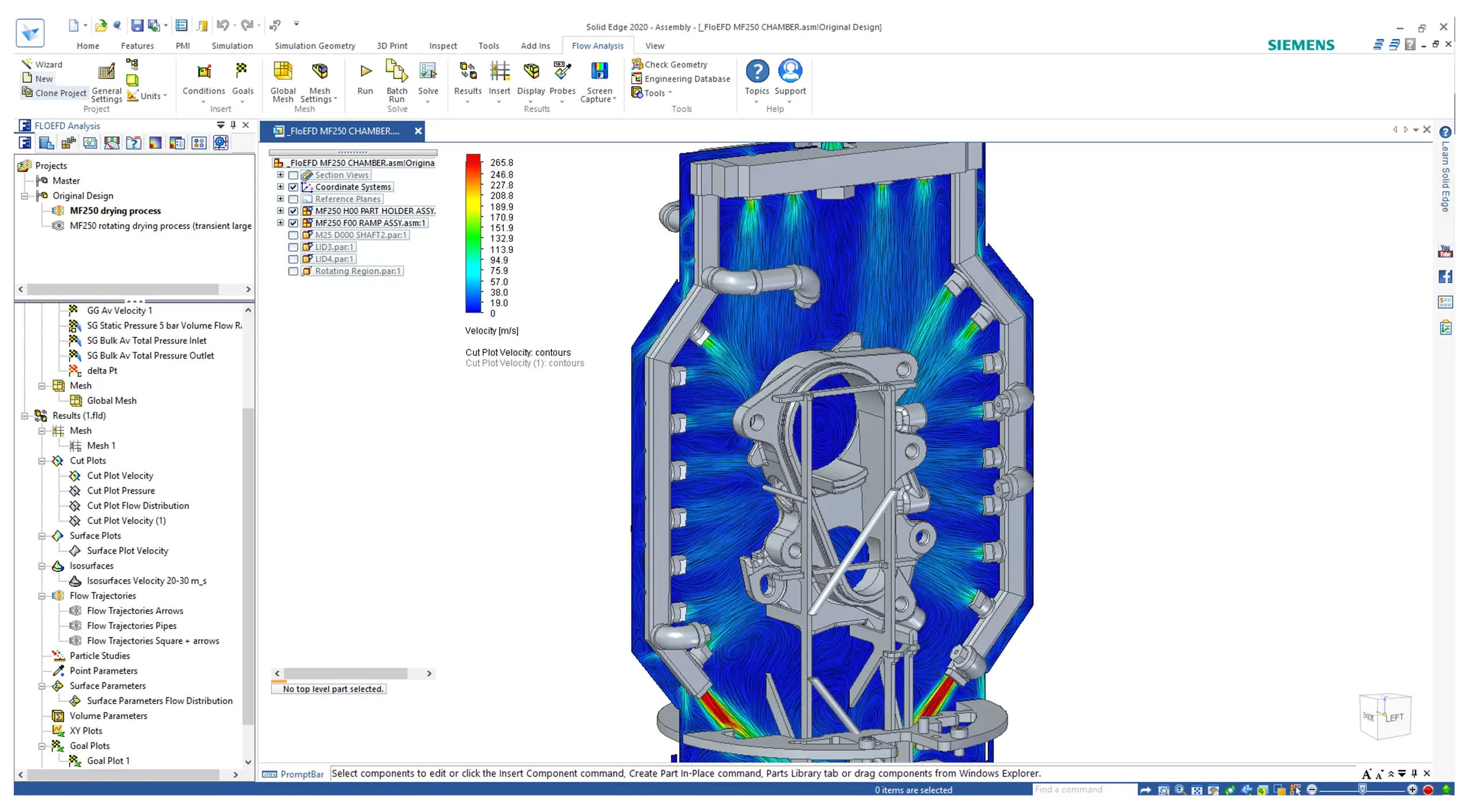
One of the key aspects of FLOEFD technology is its direct integration with leading CAD systems, such as NX, Solid Edge, CATIA, and Creo. This integration enables designers to run simulations without geometric exports or intermediate translations, while maintaining full model consistency throughout the process.
The main advantage of this approach is the complete elimination of gaps between CAD and CFD workflows. The design and simulation evolve together, reducing errors and shortening iteration times.
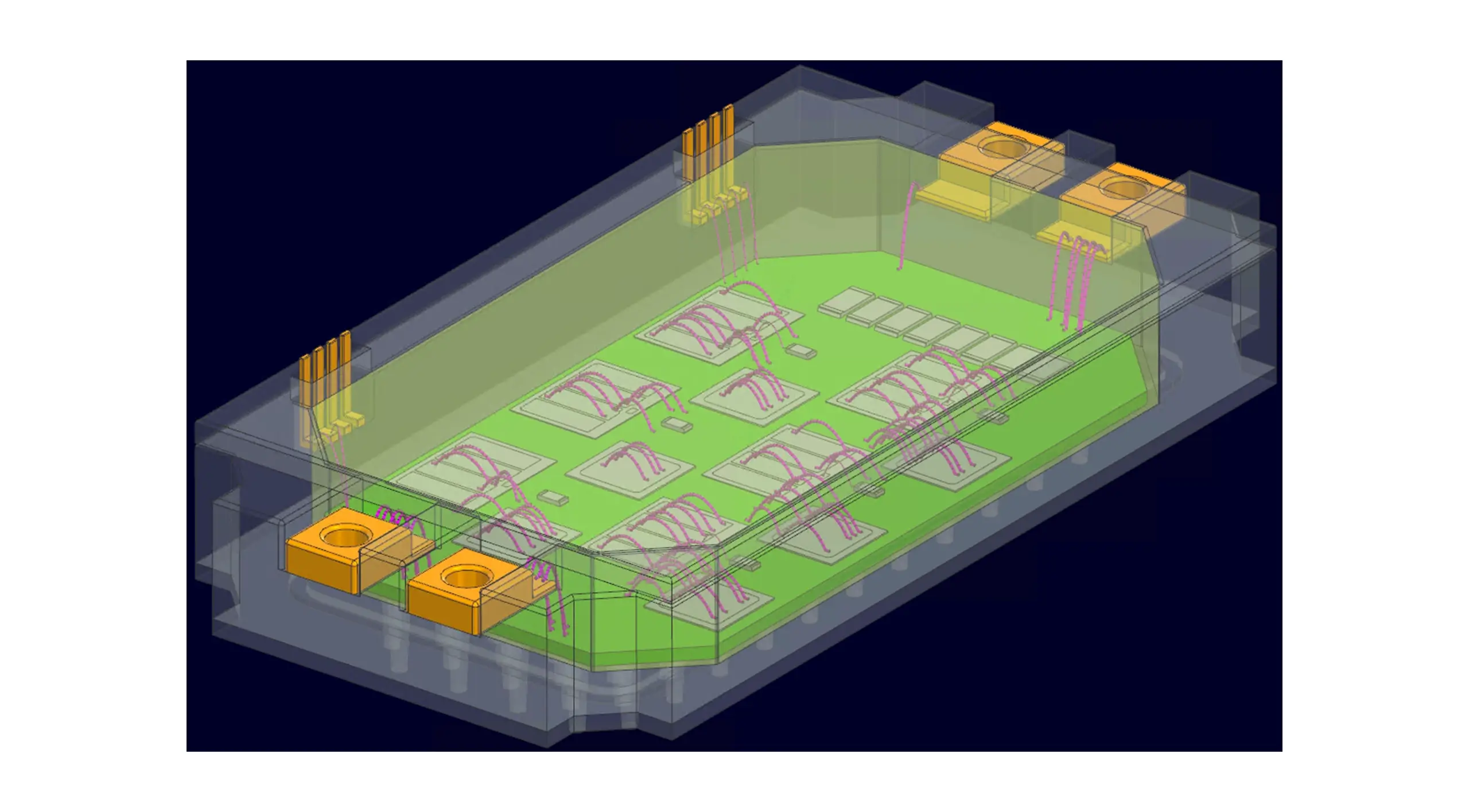
Guided Interface and Workflow Automation
Simcenter FLOEFD is designed to reduce the complexity typically associated with CFD simulations through a high level of automation. Its guided workflow enables even non-specialist designers to correctly set up fluid dynamics analyses.
Problem definition is performed intuitively directly on CAD geometry features, without the need for advanced preprocessing operations. This makes simulation more accessible and significantly reduces setup times.
SmartCells Technology for Automatic Mesh Generation
One of the distinctive features of FLOEFD technology is its automatic meshing system based on SmartCells. This technology enables the automatic generation of the computational grid directly on the CAD geometry, without requiring complex manual interventions.
SmartCells can automatically distinguish between fluid and solid domains and adapt the discretization according to the complexity of the model. Local mesh refinement can be managed automatically or controlled by the user, ensuring the optimal balance between accuracy and computational time.
Integrated Advanced Physical Models
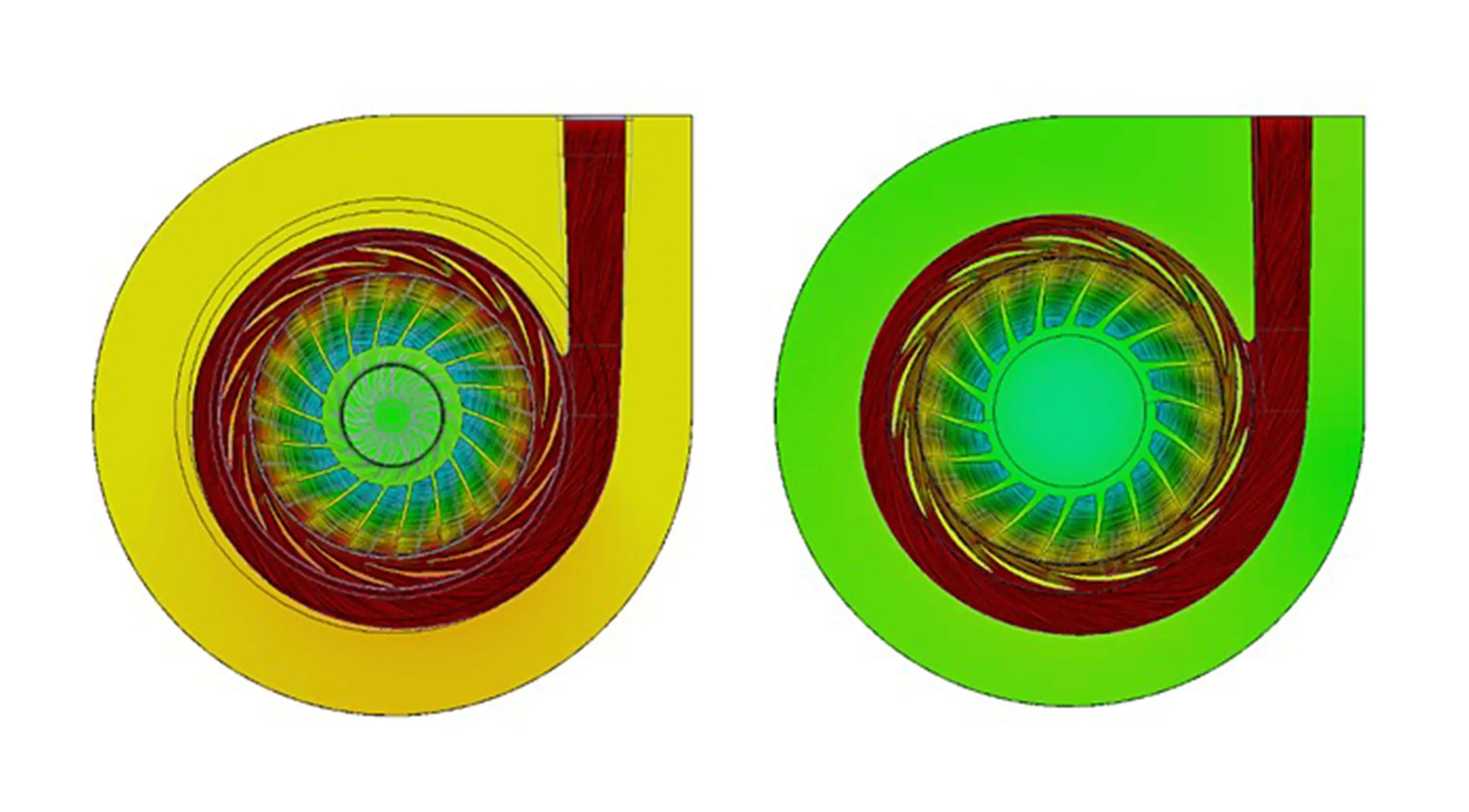
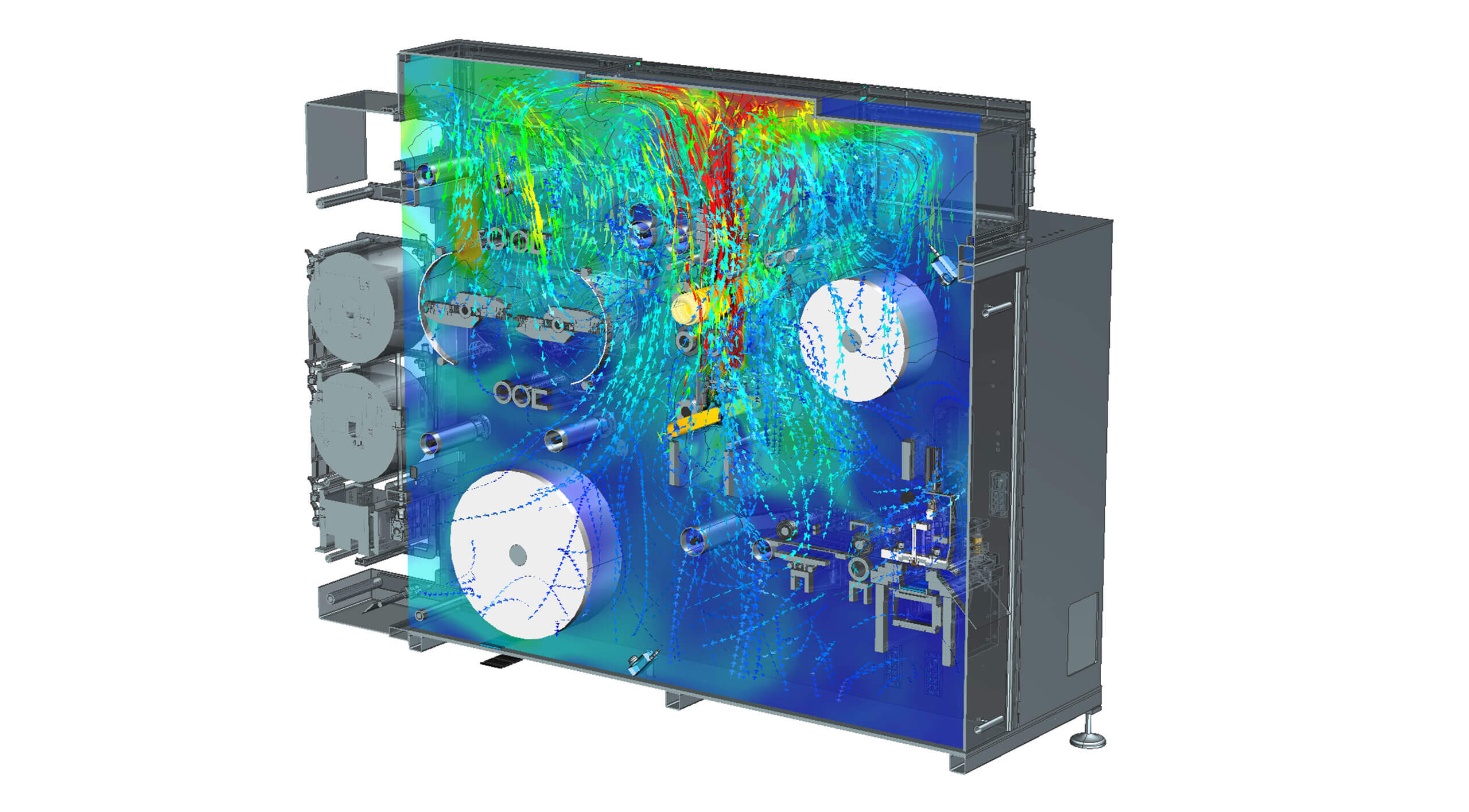
FLOEFD technology includes advanced physical models that enable accurate simulation of complex fluid dynamics and thermal phenomena. These include models for laminar-to-turbulent flow transition, boundary layer modeling, and wall effect management.
This approach avoids the need for extremely complex meshes near solid surfaces, reducing computational costs while maintaining high result accuracy.
Robust Solver and Automatic Convergence
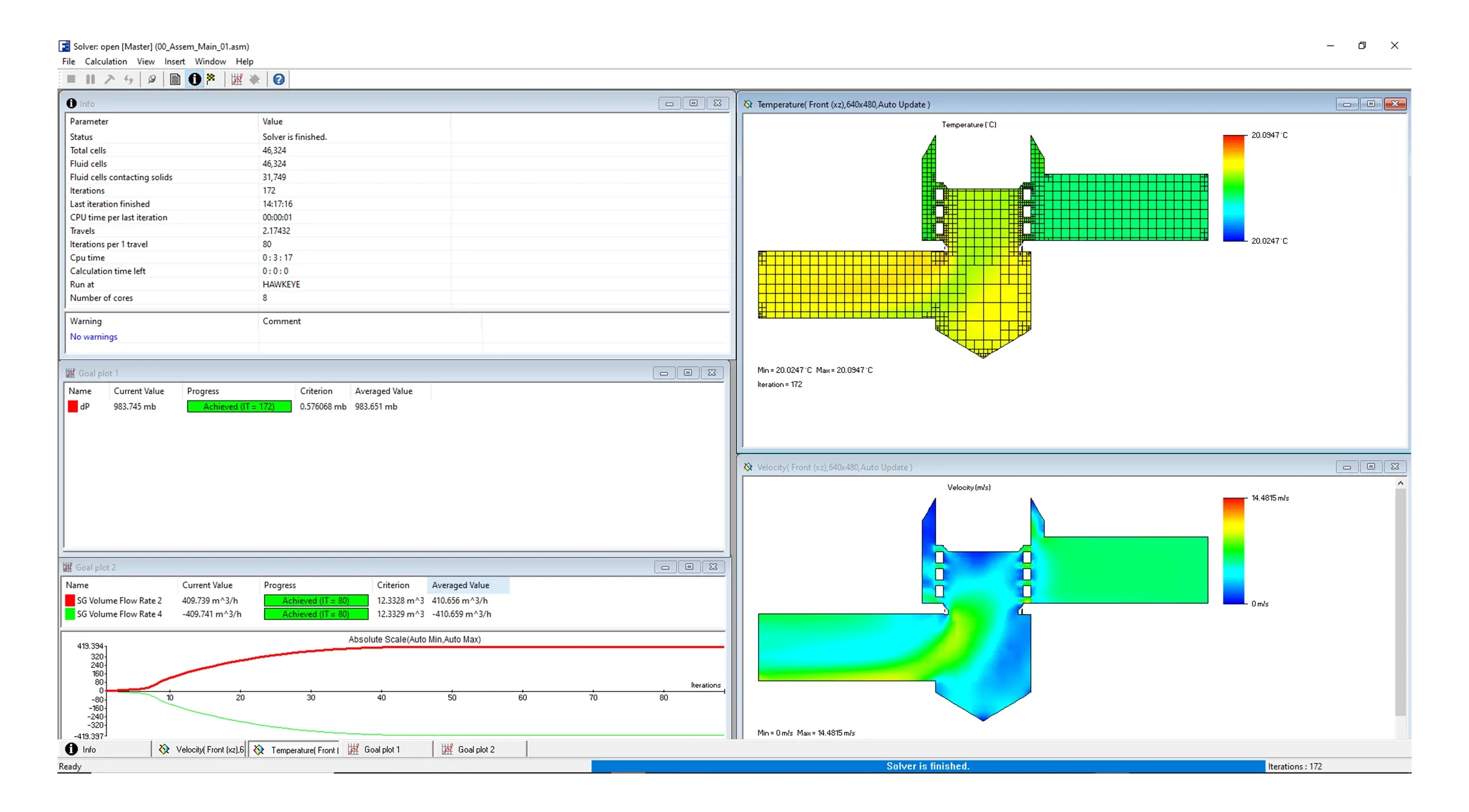
The Simcenter FLOEFD solver is designed to ensure numerical stability and robustness, even under complex simulation conditions. Simulation convergence is achieved without the need for advanced manual interventions or iterative tuning of numerical parameters.
This significantly reduces model setup and adjustment times, while increasing the overall productivity of the simulation process.
“What-if” Approach and Sensitivity Studies
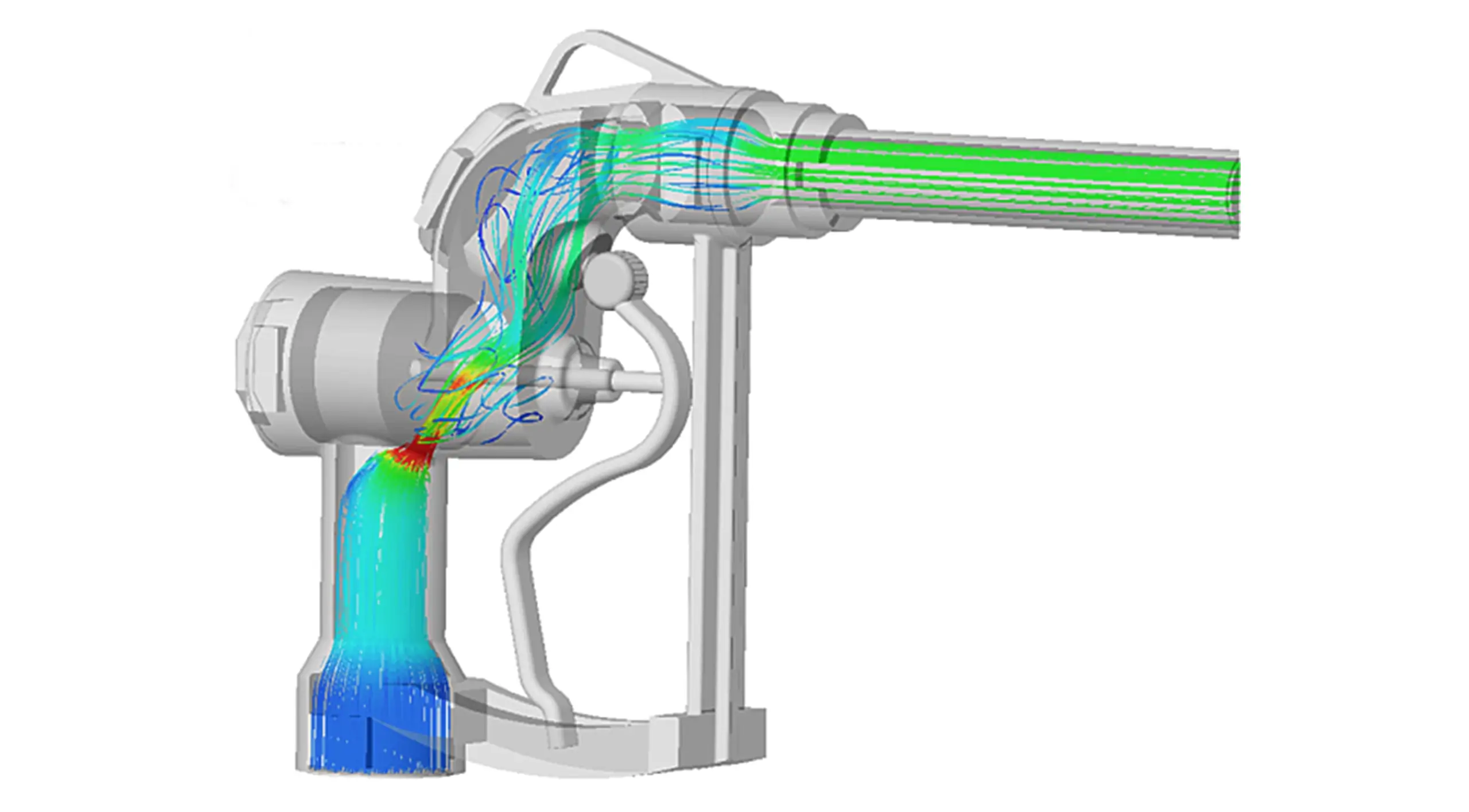
FLOEFD technology enables engineers to easily perform “what-if” studies by modifying geometric parameters or operating conditions and quickly evaluating their impact on system performance.
This approach supports design exploration and the assessment of multiple configurations without the need to rebuild the CFD model, making product optimization more efficient.
A Technology Designed for Frontloading CFD
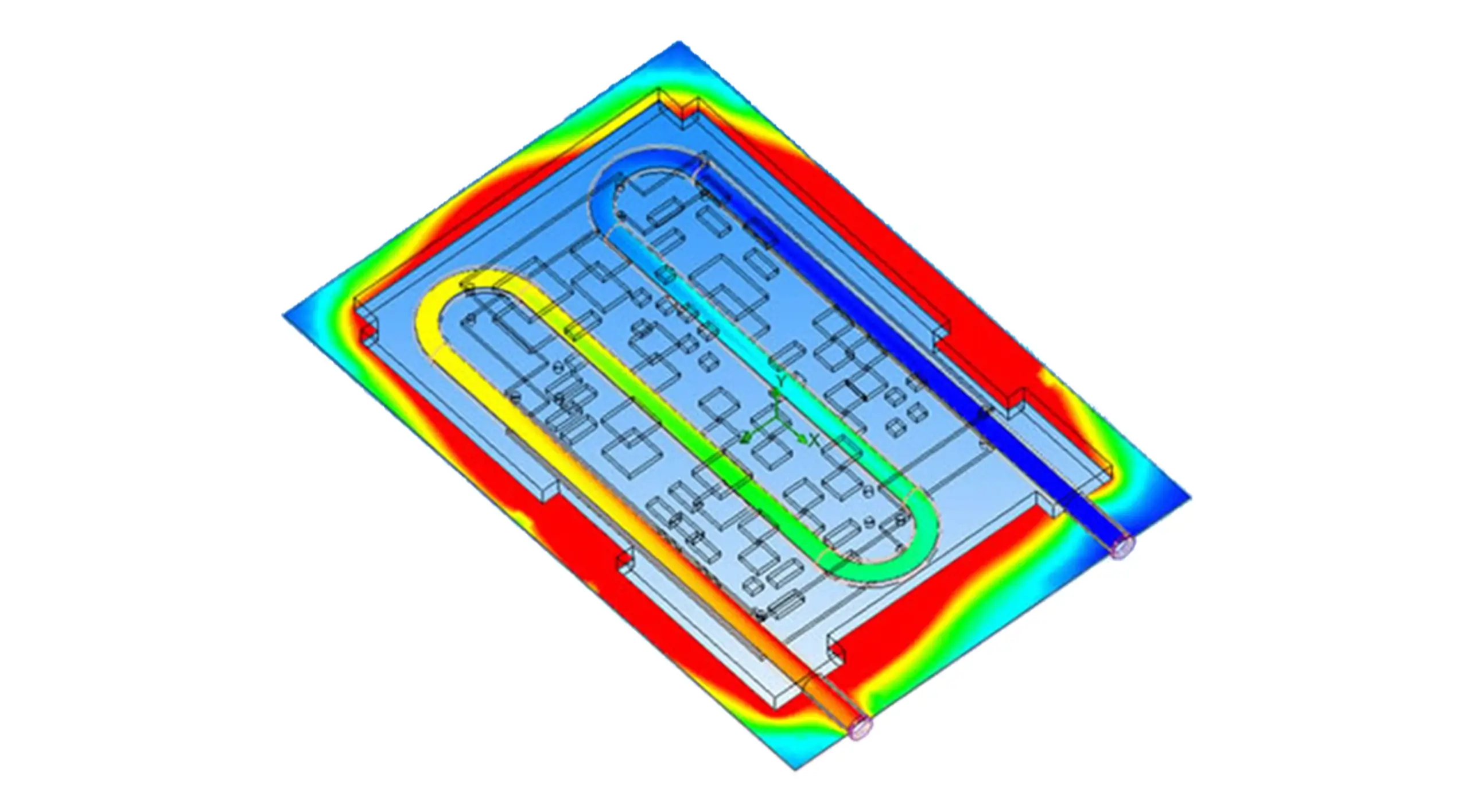
All technological features of Simcenter FLOEFD are designed to support the Frontloading CFD approach, enabling the use of simulation from the early stages of the design process.
This allows engineers to identify thermal and fluid dynamics issues when design changes are still cost-effective, improving the final product quality and reducing the number of physical and digital iterations.
How to get Simcenter FLOEFD
Flexible purchasing solutions for every need.
