
Thanks to the Frontloading CFD approach, engineers can evaluate the thermo-fluid dynamics performance of their designs from the earliest stages of development, reducing the need for physical prototypes and accelerating design iterations.
Unlike traditional CFD tools, FLOEFD works directly on the CAD model, keeping the design and simulation environments fully synchronized. This enables faster and more informed engineering decisions without disrupting the standard product development workflow.
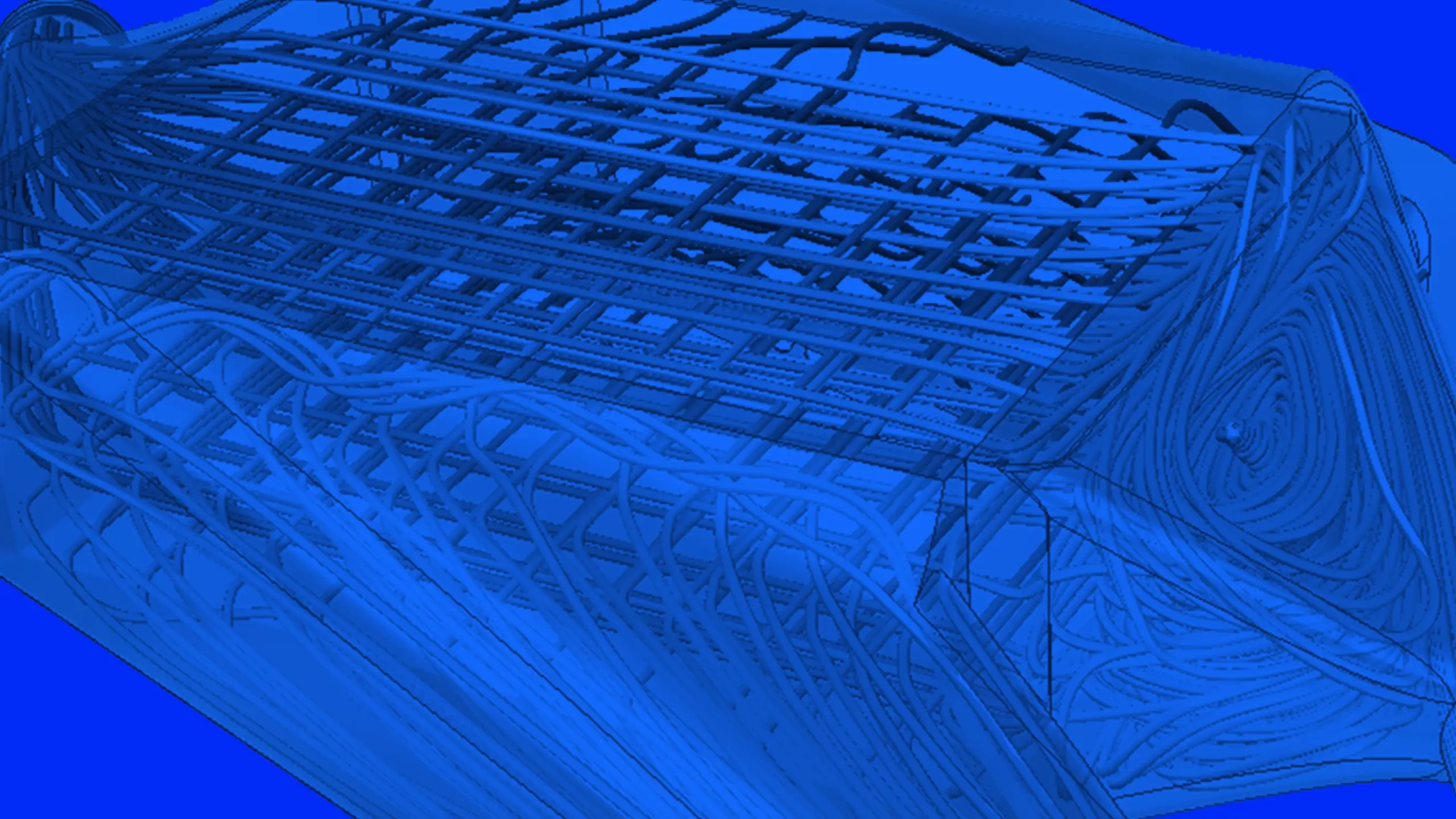
What is Simcenter FLOEFD
Simcenter FLOEFD is the CAD-integrated CFD software developed by Siemens to simulate fluid flows, heat transfer, and multiphysics phenomena directly within the product design process.
Frontloading CFD: early simulation in the design process
Simcenter FLOEFD is based on the concept of Frontloading CFD, which involves introducing simulation at the early stages of the design process. This approach enables engineers to evaluate the thermo-fluid dynamics behavior of a product when geometric changes are still easy to implement and cost-effective.
By adopting this methodology, companies can significantly reduce the number of physical and digital iterations, improve final product quality, and increase the efficiency of the development process. Simulation is no longer just a final validation tool but becomes an active part of the design workflow.
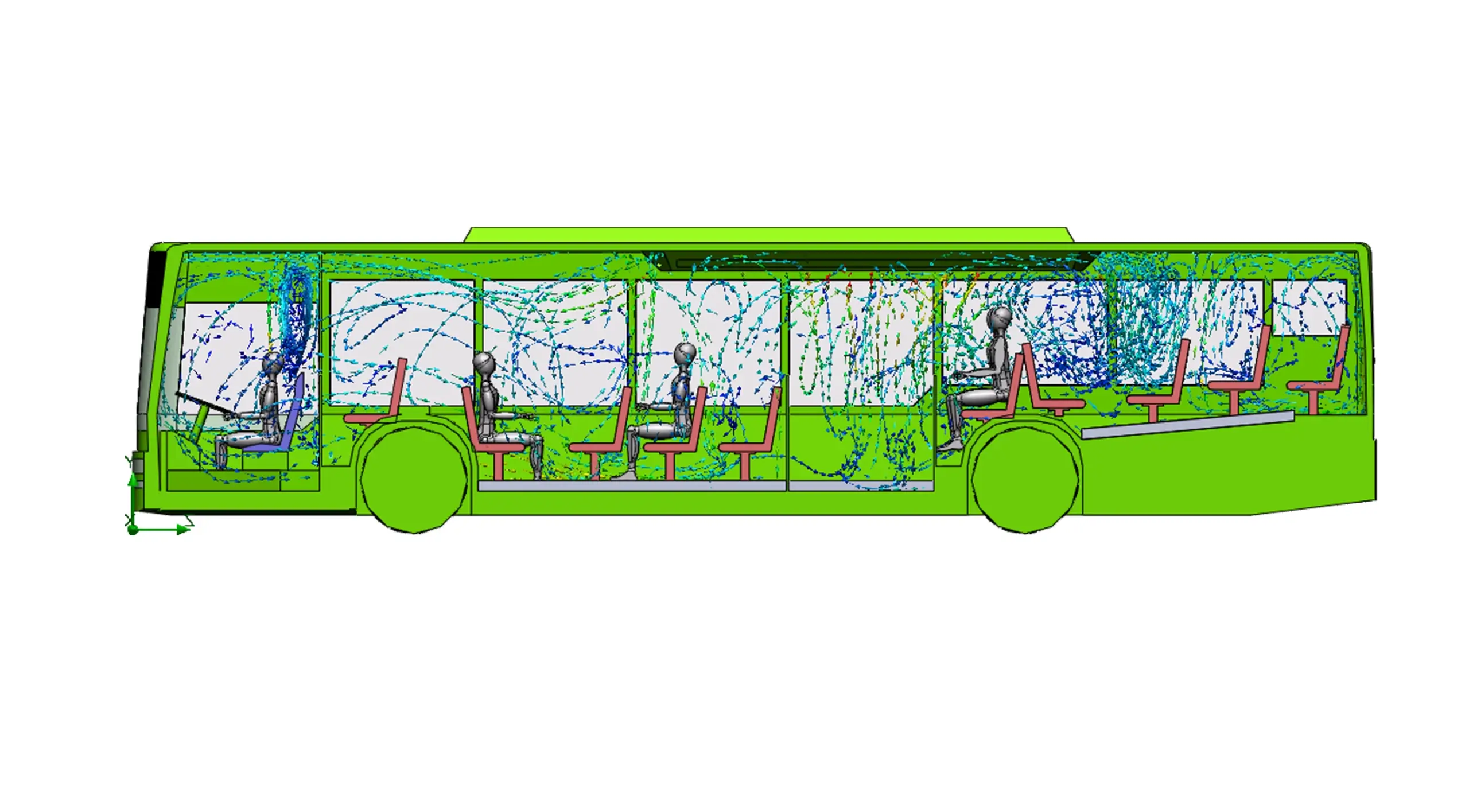
A New Approach Compared to Traditional CFD
In traditional CFD workflows, simulation is often separated from the design process and managed by specialists working on models exported from CAD. Each geometric change requires a new model preparation phase, including mesh regeneration and a new simulation setup.
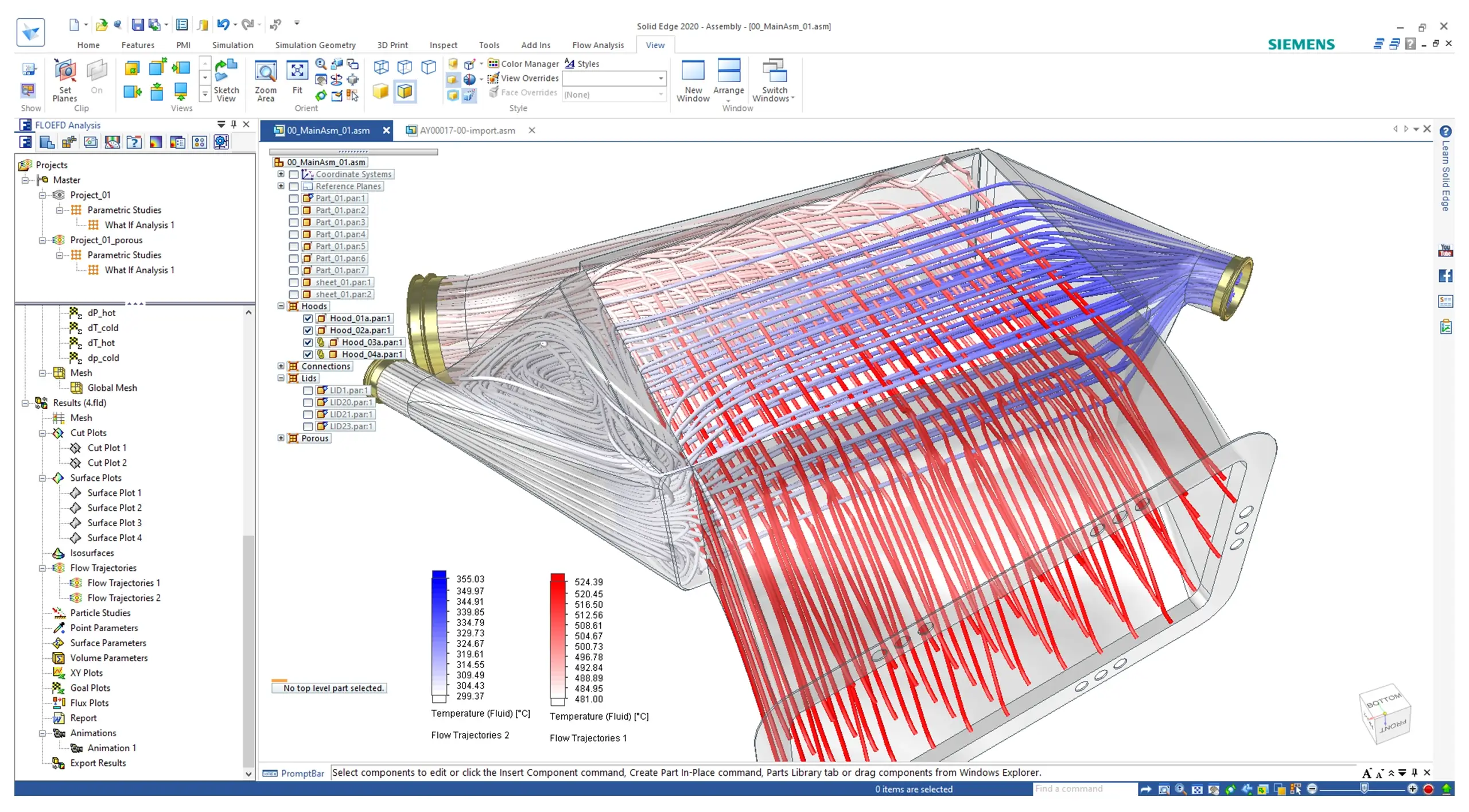
Simcenter FLOEFD removes these barriers by integrating CFD directly into the designer’s CAD environment. The simulation remains associative with the geometry and automatically updates with every model change, enabling immediate evaluation of design alternatives.
This approach dramatically reduces iteration times and makes simulation a daily tool for supporting the design process.
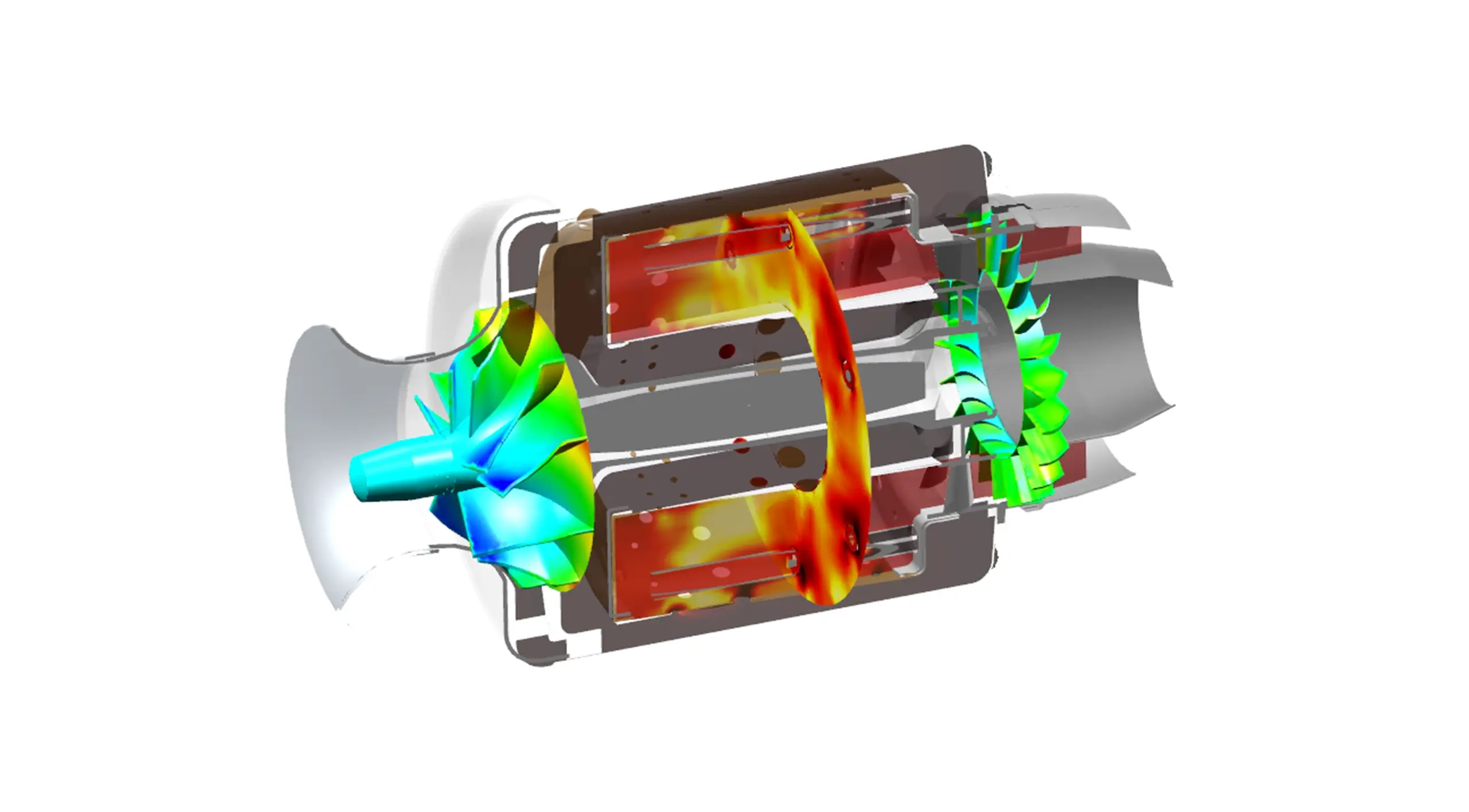
Automation and Ease of Use
One of the key features of Simcenter FLOEFD is its high level of automation. The software uses intelligent tools to simplify problem definition and reduce the complexity typically associated with CFD simulations.
Mesh generation is fully automated through SmartCells technology, which automatically creates a robust and accurate computational grid. Boundary conditions can also be defined directly on CAD geometry features, making the process intuitive and accessible even for designers without specialized CFD expertise.
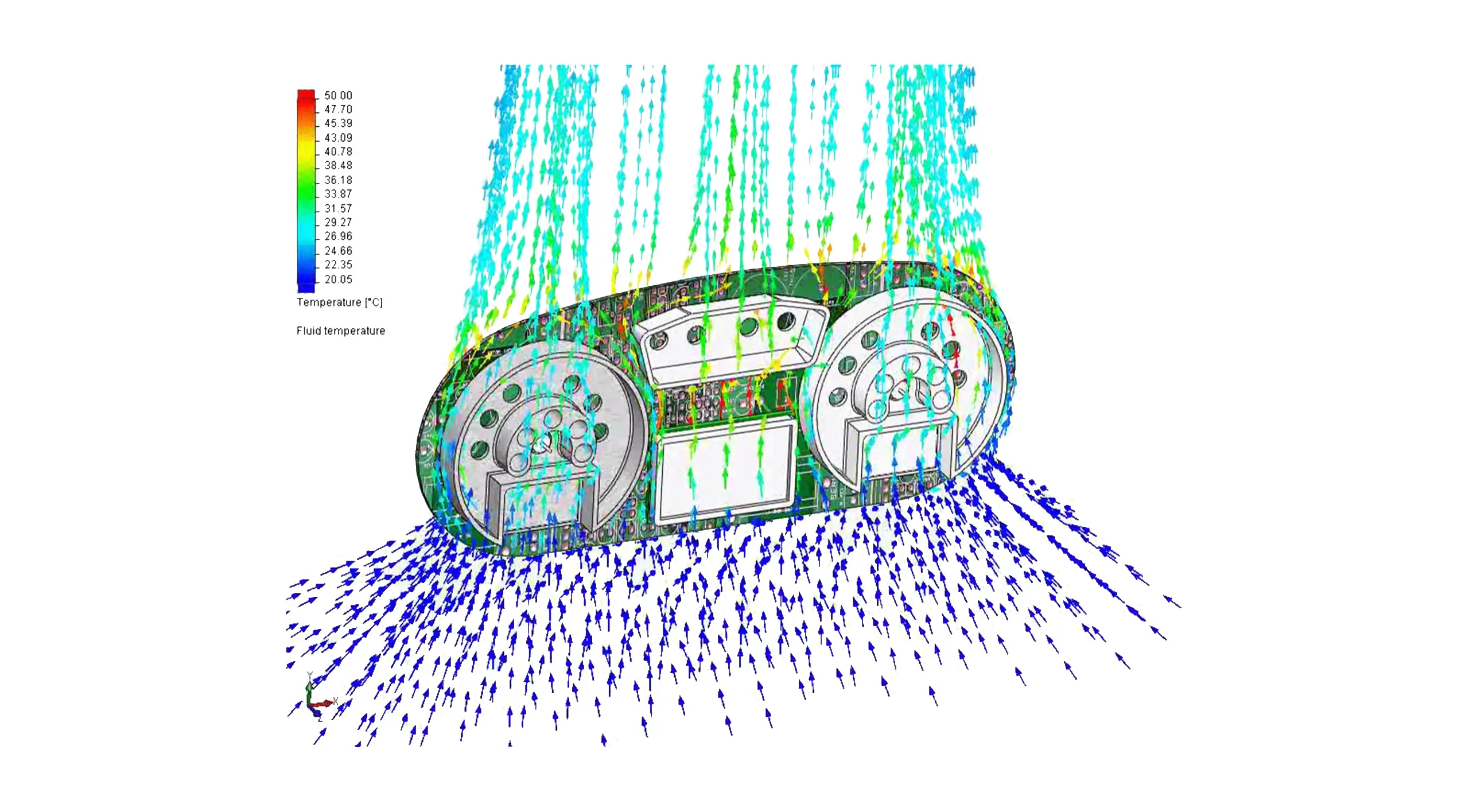
Integration with Leading CAD Platforms
Simcenter FLOEFD is fully integrated into the main industrial CAD environments, including NX, Solid Edge, CATIA, and Creo. This native integration enables engineers to work directly on the real assembly without the need for geometric simplifications or intermediate file conversions.
By eliminating data translation between different systems, Simcenter FLOEFD reduces the risk of information loss and ensures full consistency between the CAD model and CFD simulation throughout the entire product development cycle.
A Practical Solution for Engineering Design
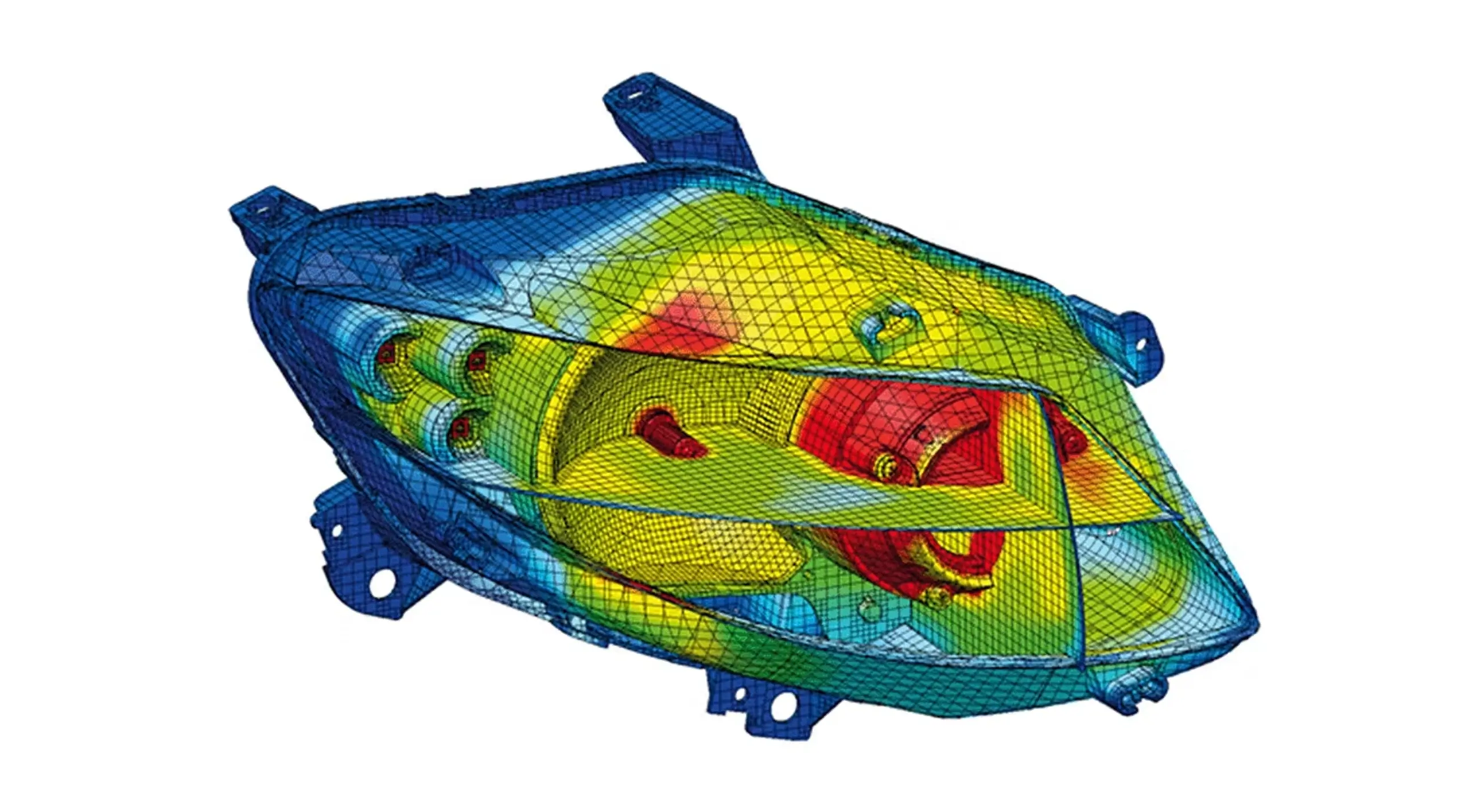
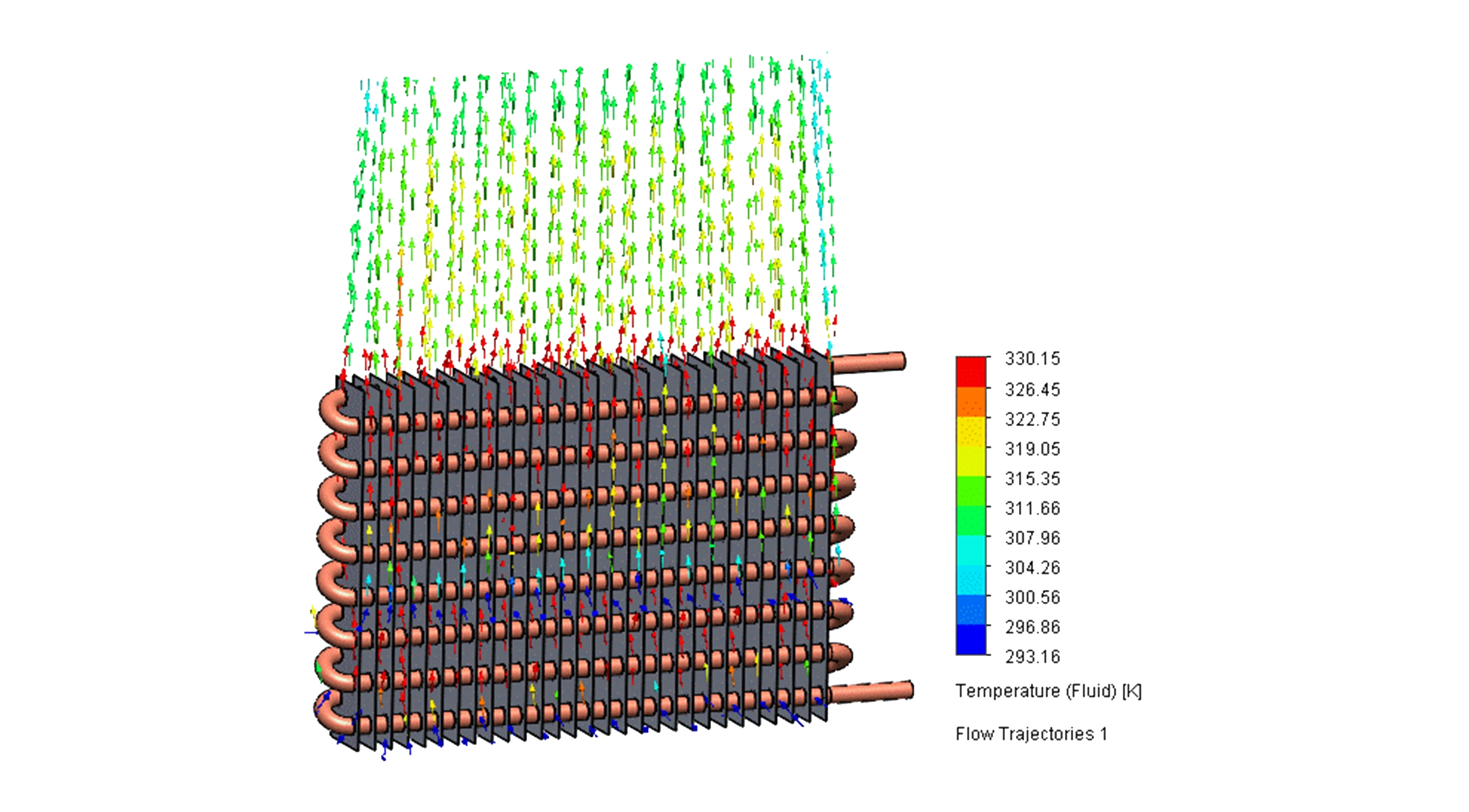
Simcenter FLOEFD enables accurate analysis of a product’s fluid dynamics and thermal behavior across a wide range of industrial sectors, from electronics and mechanical engineering to energy systems and HVAC applications.
Thanks to its ability to perform fast simulations directly integrated into the CAD environment, designers can make more informed decisions, reduce the number of physical prototypes, and improve product reliability from the early stages of development.
Simcenter FLOEFD as a Daily Design Tool
Rather than being a separate analysis tool, Simcenter FLOEFD becomes a fully integrated design solution. CFD simulation is no longer an isolated activity, but an integral part of the engineering decision-making process.
This approach transforms CFD into a continuous element of the design workflow, improving the quality of engineering decisions while significantly reducing development time and costs.
How to get Simcenter FLOEFD
Flexible purchasing solutions for every need.
